Custer's Rolling Block Rifle -- Interview with Larry Potterfield | MidwayUSA

Published on April 29, 2013
Duration: 9:30

This guide details the intricate gunsmithing process of recreating George Custer's Rolling Block rifle, as explained by Larry Potterfield. It covers modifying a base action, fabricating custom stocks from American black walnut, and applying period-correct finishes like color case hardening and rust bluing. The process emphasizes meticulous research using historical photographs and documents to achieve an authentic replica.

Quick Summary

Larry Potterfield meticulously recreated George Custer's Rolling Block rifle by combining historical research, including photographic analysis and Custer's own letters, with advanced gunsmithing techniques like color case hardening and rust bluing. The rifle features a 28-inch, 50-70 caliber barrel and American black walnut stocks.

Chapters

  1. 00:00Motivation for Recreation
  2. 01:54Research and Specifications
  3. 04:19The Build Foundation
  4. 04:53Action and Receiver Work
  5. 06:19Stock Fabrication
  6. 07:46Barrel and Final Assembly

Frequently Asked Questions

What historical research methods were used to recreate Custer's Rolling Block rifle?

Researchers analyzed historical photographs of Custer in locations like Yellowstone and the Black Hills, and referenced a letter Custer wrote to Remington in 1872 to extrapolate dimensions and features for the rifle.

What gunsmithing techniques are involved in recreating Custer's Rolling Block rifle?

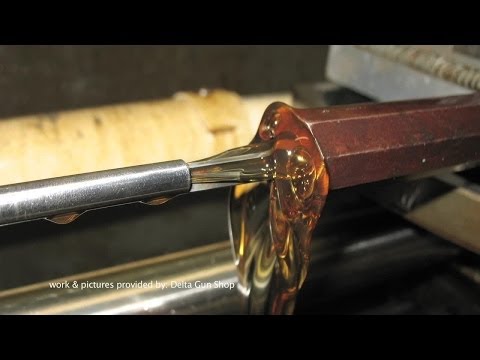
Key techniques include modifying the action by thinning the receiver, installing a single-set trigger, applying color case hardening to the receiver and guard, and rust bluing the barrel.

What materials were used for the stock of Custer's recreated rifle?

The stocks were crafted from American black walnut, which was the standard material for Remington firearms in 1873, chosen for its durability and aesthetic appeal.

What caliber and barrel length were specified for Custer's Rolling Block rifle recreation?

The barrel was finished to 28 inches in length and chambered for the 50-70 caliber cartridge, as indicated by historical documentation from Custer himself.

Related News

All News →

More Gunsmithing & DIY Videos You Might Like

More from MidwayUSA

View all →