Fixing a Cracked Buttstock & Forend on a Remington Model 11 | Remington Model 11 Shotgun Project

Published on December 14, 2012
Duration: 1:38

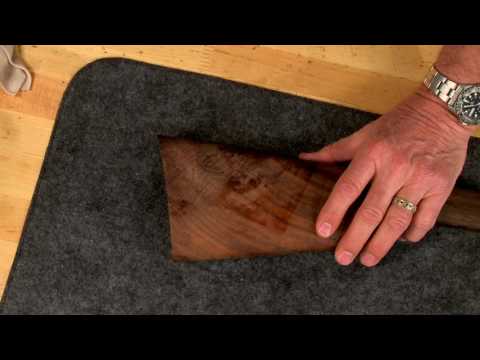
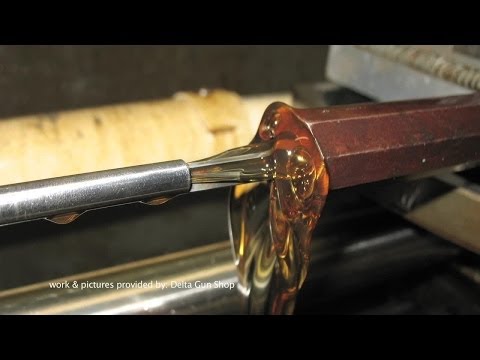
This video demonstrates a professional method for repairing cracked wooden gunstocks, specifically on a Remington Model 11. It emphasizes thorough preparation, including stripping finishes and removing oil saturation with acetone, before applying a waterproof polyurethane glue. Techniques for forcing glue into deep cracks and wicking it into surface fissures are shown, along with using surgical tubing for effective clamping.

Quick Summary

Polyurethane glue is ideal for cracked gunstocks due to its waterproof nature and expansion properties. Proper preparation involves stripping the finish and de-oiling the wood with acetone. Use a dowel to force glue into deep cracks and surgical tubing for effective clamping.

Chapters

  1. 00:00Introduction to Gunstock Repair
  2. 00:20Preparation and Oil Removal
  3. 00:36Repairing the Forend Crack
  4. 00:53Wicking Glue into Surface Cracks
  5. 01:05Stock Head Repair and Clamping

Frequently Asked Questions

What is the best glue for repairing cracked gunstocks?

Polyurethane glue is recommended for gunstock repairs because it is waterproof and expands slightly as it cures, helping to fill cracks effectively. It's crucial to ensure the wood is properly prepared and de-oiled before application for best adhesion.

How do you prepare an oil-soaked gunstock for repair?

Oil-soaked wood needs to have the finish stripped and the oil removed. A common method is to soak the wood in acetone, which draws out the deep-seated oils, ensuring the repair glue will adhere properly.

What techniques can be used to ensure glue penetrates deep into gunstock cracks?

To ensure deep penetration, use a small dowel or similar tool to force the glue into the crack. For surface cracks, gently spread the crack apart after applying glue to allow it to wick into the wood.

How should a repaired gunstock be clamped?

For repairs at the stock head, after applying glue and using a dowel, surgical tubing can be wrapped tightly around the wood. This provides uniform clamping pressure essential for the glue to cure properly.

Related News

All News →

More Gunsmithing & DIY Videos You Might Like

More from MidwayUSA

View all →