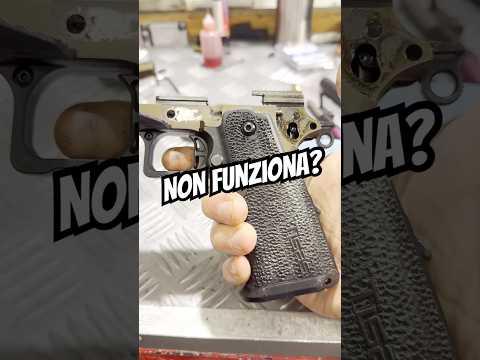
Glock. Come funziona lo scatto.

Published on March 18, 2022
Duration: 5:33

This guide details the disassembly and analysis of a Glock trigger mechanism, as explained by an expert instructor. It covers the interaction of key components like the striker, sear, trigger bar, and safeties, emphasizing the critical role of spring balance and component finish for reliable operation. The explanation highlights how the trigger lever's angle influences pull weight and break characteristics.

Quick Summary

The Glock trigger is a striker-fired system where the trigger pull finishes cocking the striker and then releases it. Key components include the sear, trigger bar, and firing pin safety. The trigger lever's angle significantly impacts pull weight, and proper balance between the recoil, firing pin, and trigger bar return springs is crucial for safe and reliable operation.

Chapters

  1. 00:08Glock Trigger Introduction
  2. 00:16Striker-Fired Mechanism Explained
  3. 00:38Disassembly for Analysis
  4. 00:43Slide Components
  5. 00:58Frame Components
  6. 01:16Slide Racking Simulation
  7. 01:35Trigger Pull and Firing Cycle
  8. 02:02Trigger Lever Function
  9. 02:34Spring Suspension Challenge
  10. 03:00Trigger Bar Return Spring
  11. 03:18Disconnector Function
  12. 03:27Importance of Spring Balance
  13. 03:36Recoil Spring Imbalance Issues
  14. 03:47Trigger Bar Spring Imbalance Issues
  15. 03:59Disconnector Malfunction Causes
  16. 04:16Firing Pin Safety Issues
  17. 04:33Trigger Lever and Disconnector Interaction
  18. 04:47Trigger Lever Surface Finish Impact
  19. 05:04Conclusion and Workshop Availability

Frequently Asked Questions

How does the Glock trigger mechanism work?

The Glock trigger is part of a striker-fired system. Pulling the trigger completes the cocking of the striker and then releases it. Key components include the sear, trigger bar, and firing pin safety, all interacting to ensure safe and reliable firing.

What are the main components of a Glock trigger system?

The main components are the trigger itself, the trigger bar with its lever, the sear where the firing pin engages, the firing pin safety, and the trigger lever which acts as a disconnector. Multiple springs also play a critical role.

What determines the trigger pull weight on a Glock?

The trigger pull weight on a Glock is primarily determined by the angle of the trigger lever's surface. This surface dictates how the trigger bar and sear are manipulated, influencing the force required to release the striker.

What can cause a Glock to malfunction regarding its trigger?

Malfunctions can arise from improper spring balance (recoil, firing pin, trigger bar return), a blocked or over-sprung firing pin safety, or a poorly finished trigger lever or sear surface, all of which can impede proper component movement and sear re-engagement.

Related News

All News →

More Gunsmithing & DIY Videos You Might Like

More from Vampire Guns

View all →