Gunsmithing - How to Smooth the Single Action Trigger Pull on a S&W Revolver

Published on May 21, 2008
Duration: 1:37

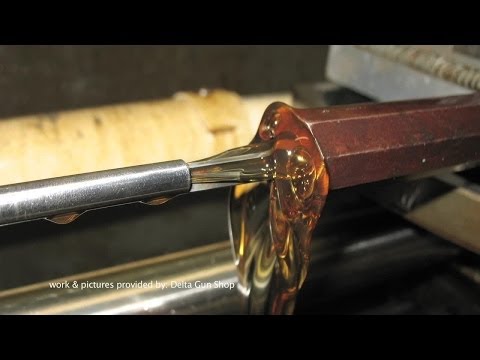
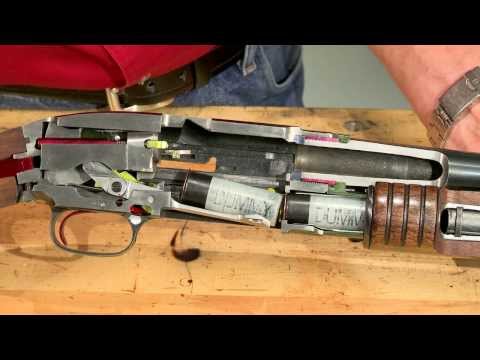
This guide details how to smooth the single-action trigger pull on a Smith & Wesson revolver. Expert instructor Larry Potterfield from MidwayUSA demonstrates the process, emphasizing the use of specialized tools like a stoning fixture and India stone. Proper technique involves careful stoning of the sear to reduce friction and improve trigger feel, with Dykem used to monitor progress. The guide concludes with reassembly and testing using snap caps.

Quick Summary

Smoothing a Smith & Wesson single-action trigger involves carefully stoning the sear using a specialized fixture, medium grit India stone, and honing oil. Dykem marking fluid helps monitor progress by showing where material is removed. Proper technique ensures a smoother pull without compromising safety.

Chapters

  1. 00:13Introduction to Trigger Smoothing
  2. 00:28Disassembly and Sear Identification
  3. 00:37Essential Tools for Stoning
  4. 00:52Monitoring Progress with Dykem
  5. 00:57Stoning Process with India Stone
  6. 01:09Reassembly and Final Check
  7. 01:21Importance of Proper Tools

Frequently Asked Questions

How do you smooth a single-action trigger on a Smith & Wesson revolver?

To smooth a S&W single-action trigger, remove the trigger, secure it in a stoning fixture, apply Dykem to the sear, and carefully stone it with a medium grit India stone and honing oil. Monitor progress with Dykem, then reassemble and test.

What tools are essential for smoothing a revolver trigger?

Essential tools include a specialized stoning fixture for maintaining the correct sear angle, a medium grit India stone, honing oil for lubrication, and Dykem marking fluid to monitor the stoning process. A digital trigger pull gauge is also recommended for measuring results.

Can I stone my revolver's trigger without a fixture?

It is strongly advised against stoning the trigger without a proper fixture. A fixture ensures the correct sear angle is maintained, which is critical for safe and effective trigger function. Incorrect angles can lead to malfunctions.

How do I know when I've stoned the sear enough?

You monitor the stoning progress by applying Dykem to the sear. As you stone, the Dykem will be removed from the high spots. Continue stoning until the Dykem is evenly removed across the entire sear surface, indicating a smooth, consistent contact area.

Related News

All News →

More Gunsmithing & DIY Videos You Might Like

More from MidwayUSA

View all →