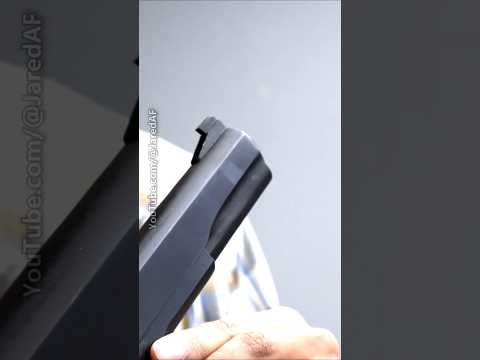
Gunsmithing the 1911: Trigger Job by "Terry G", Pt 1

Published on September 10, 2009
Duration: 35:07

This video details a comprehensive trigger job on a Taurus PT 1911 by master gunsmith Terry G. It covers the disassembly process, fitting oversized aftermarket parts like a Wilson Combat thumb safety, adjusting the trigger stirrup for creep, and stoning the sear and hammer hooks to achieve a precise break. The session also touches on metallurgy differences between MIM and forged parts and tuning the leaf spring for a target 4lb trigger pull.

Quick Summary

A 1911 trigger job involves careful disassembly, fitting oversized parts, adjusting the trigger stirrup to remove creep, stoning the sear and hammer hooks for a crisp break, and tuning the leaf spring for a target pull weight, often around 4 lbs for defensive use.

Chapters

  1. 00:00Introduction: Impact Guns & Terry G
  2. 00:42Project: Taurus PT 1911 Trigger Job
  3. 01:49Parts Overview: Wilson Combat & S&W
  4. 03:01Colt Mustang Analysis
  5. 07:151911 Disassembly & Part Fitting
  6. 10:54Trigger Stirrup Adjustment for Creep
  7. 12:46Stoning Sear and Hammer Hooks
  8. 17:51MIM vs. Forged Parts Discussion
  9. 19:58Leaf Spring Tuning & Final Trigger Pull

Frequently Asked Questions

What are the key steps in performing a 1911 trigger job?

A 1911 trigger job involves careful disassembly, fitting oversized parts like the thumb safety, adjusting the trigger stirrup to remove creep, stoning the sear and hammer hooks for a crisp break, and tuning the leaf spring for desired pull weight.

Why is hand-fitting important for 1911 aftermarket parts?

Aftermarket parts, especially safeties, are often manufactured to be slightly oversized. Hand-fitting ensures they precisely match the individual firearm's dimensions, guaranteeing safe operation and reliable function.

What is the significance of stoning the sear and hammer in a trigger job?

Stoning the sear nose and hammer hooks with precise angles using specialized jigs and stones is crucial for eliminating over-travel and creating a clean, crisp trigger break, which enhances shooting accuracy and control.

How does metallurgy affect 1911 trigger work?

Master gunsmiths note that forged steel parts generally respond better to precision stoning and trigger work than components made using Metal Injection Molding (MIM). Forged parts allow for finer adjustments and a cleaner break.

Related News

All News →

More Gunsmithing & DIY Videos You Might Like

More from nutnfancy

View all →