History of WWI Primer 035: French Remington Rolling Block Documentary

Published on September 27, 2016
Duration: 42:59

This entry details the history and mechanics of the Remington Rolling Block action, focusing on the French Fusil Modèle 1915. It covers the design's evolution, key figures, and its service during WWI. The expert analysis highlights the action's strength and simplicity, while also noting its limitations as a single-shot firearm in modern combat contexts.

Quick Summary

The French Remington Rolling Block (Fusil Modèle 1915) was a vital WWI firearm, acquired due to severe shortages. Its robust, single-shot action, featuring a pivoting breech block locked by the hammer, provided safety and strength but limited its rate of fire for front-line combat.

Chapters

  1. 00:00Introduction: French Remington Rolling Block WWI
  2. 01:00Rolling Block Design History & Patents
  3. 04:22Key Figures: Hartley & Norris
  4. 11:41Evolution of the Rolling Block Action
  5. 14:44French Contracts & WWI Service
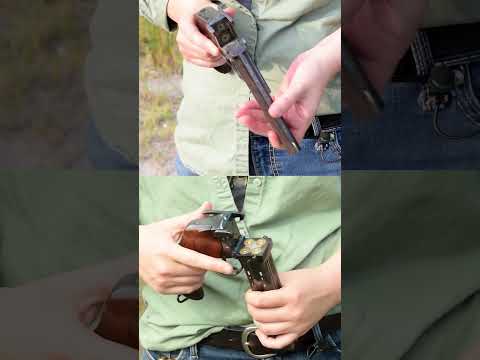
  6. 19:27Mechanical Demonstration of the Action
  7. 21:21Range Performance & Extraction Issues

Frequently Asked Questions

What is the significance of the French Remington Rolling Block in WWI?

The French Remington Rolling Block, specifically the Fusil Modèle 1915, was acquired in large numbers during WWI to address critical rifle shortages. It primarily equipped rear-echelon troops and guards, freeing up more modern rifles for front-line combat.

How did the Remington Rolling Block action evolve over time?

The Rolling Block action evolved through several 'Types.' Key improvements included a stepped receiver, a left-side extractor, the Dodge brothers' patent for a retracting firing pin to prevent slam fires, and a flush-fit barrel shank, culminating in definitive military patterns.

What were the mechanical strengths and weaknesses of the Remington Rolling Block?

Its primary strength was the robust, simple, and safe Rolling Block mechanism, where the hammer locked the breech block. However, its single-shot capacity and potential extraction issues with rimmed cartridges like the 8mm Lebel made it less suitable for intense combat compared to repeaters.

Who were key figures involved in the Remington Rolling Block's history?

Marcellus Hartley was crucial for Remington's commercial success and acquisitions. Samuel Norris served as Remington's agent in Europe, actively promoting the Rolling Block to various nations during the mid-19th century.

More Gunsmithing & DIY Videos You Might Like

More from C&Rsenal

View all →