History Primer 164: US Colt 1907/09 Documentary

Published on October 4, 2022
Duration: 66:45

This guide details the modifications made to the Colt Model 1905 pistol to evolve it into the 1907 and subsequently the 1907-09 patterns, driven by US military trials. Key upgrades include a spur hammer, automatic grip safety, loaded chamber indicator, and improved ejection port design, addressing issues like stopping power, reliability, and user safety. These changes were crucial stepping stones towards the eventual development of the Colt 1911.

Quick Summary

The Colt 1907/09 pistols were developed from the 1905 model based on US military trials, incorporating a spur hammer, automatic grip safety, and loaded chamber indicator. Despite these upgrades, issues like recoil, jams, and parts breakages led to continued dissatisfaction, highlighting the challenges in developing a reliable .45 caliber semi-automatic for military use.

Chapters

  1. 00:20Introduction: Colt 1907/09 Naming
  2. 00:49Physical Specifications
  3. 01:18Stepping Stone to the 1911
  4. 02:02Historical Context: .45 vs .38 Caliber Debate
  5. 03:03Thompson-LaGarde Tests and .45 Caliber Revival
  6. 03:421907 US Trials: Savage vs. Colt
  7. 04:26Recommended Changes for Savage and Colt
  8. 04:59Common Criticisms: Ejection, Indicators, Safeties
  9. 05:10Luger Influence on Colt Design
  10. 05:43Trials Recommendation: Cavalry Troops
  11. 05:501907 Ordnance Circular and Ammunition Specs
  12. 06:59Colt and Savage Bids for 1907 Pistols
  13. 07:35Savage Withdrawal and Luger Order
  14. 08:49Colt's Solution: The Modified 1905
  15. 09:05Key Upgrades: Hammer, Grip Safety, Indicator
  16. 09:34Grip Safety Design Origins
  17. 10:10Loaded Chamber Indicator Design
  18. 10:19Prototype 1905 Shown to Ordnance
  19. 10:38Field Trials Deployment
  20. 11:331909 Cavalry Board Trial Results: The Good
  21. 11:501909 Cavalry Board Trial Results: The Bad
  22. 12:07Jams and Parts Breakages
  23. 13:00Special Modifications: Powell Cartridge Indicators
  24. 13:23Cavalry Board Decision: Against Colt
  25. 13:45Colt Factory Adjustments: Ammunition and Sear
  26. 14:30Savage Pistols Arrive and Fail Trials
  27. 15:13Can the 1907 Be Saved? The 1909 Pattern
  28. 15:261909 Pattern Improvements: Sear, Ejection Port, Grip Safety
  29. 16:021907 vs. 1909/1911 Hammer and Safety Comparison
  30. 16:39Commercial 1905 with 1907 Hammer
  31. 16:461905 vs. 1907/09: Safety Features
  32. 19:27Ejection Port Differences: 1905 vs. 1907/09
  33. 20:13Loaded Chamber Indicator Functionality
  34. 21:06Lanyard Loop Option
  35. 21:27Magazine Capacity and Release
  36. 21:47Pistol Disassembly Procedure
  37. 22:24Barrel System: Parallel Ruler Design
  38. 23:02Internal Slide Components: Safety Sear
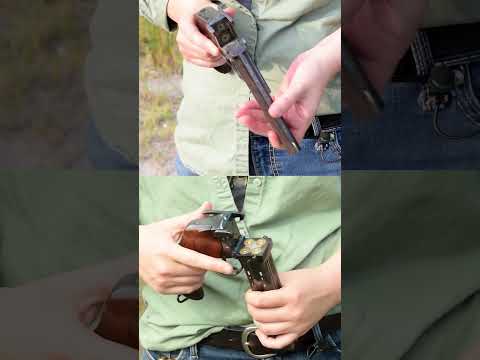
  39. 24:24Animation: Grip Safety and Lock-ups
  40. 26:19Animation: Loaded Chamber Indicator
  41. 27:04Shooting Demonstration
  42. 28:24Improved Performance of 1909 Pattern Samples
  43. 28:44Colt Requests Rework of Trials Pistols
  44. 29:23Savage's Continued Trials and Failures
  45. 30:22Ammunition Updates: Model 1909 Cartridge
  46. 31:05Testing the Reworked 07/09 and Browning's Involvement
  47. 31:53Ordnance Assessment of the 07/09
  48. 32:51Automatics Deemed Too Dangerous
  49. 33:03Revolver vs. Semi-Automatic Loading Comparison
  50. 36:34Semi-Automatic Loading and Safety Concerns
  51. 39:18Hammer Down Safety Procedure
  52. 40:04Loaded Chamber Indicator Functionality (Again)
  53. 40:30Unloading Procedure Comparison
  54. 41:39Resistance to Semi-Automatics in General Issue
  55. 42:18Pistol Superiority Claims vs. Official Opinion
  56. 42:411907/09 as Lipstick on a 1905 Pig
  57. 43:06Challenges in .45 ACP Automatic Development
  58. 44:04Condemnation and Surplus Sale
  59. 45:02Need for 1909/1910 Trials Pistols
  60. 45:20Shooting the 07/09 Trials Pistol
  61. 47:14Ergonomics Comparison: 1905 vs. 1907/09
  62. 48:44Hammer Spur and Grip Safety Ergonomics
  63. 51:59Grip Safety Pressure Point Issues
  64. 53:19Hammer Bite Concerns
  65. 55:04One-Handed Hammer Lowering Procedure
  66. 57:10Shooting Differences: 1907/09 vs. 1905
  67. 58:21Colt's Problem: 1905 and 1907/09 Not Passing Muster
  68. 59:29Final Concerns and Hopes for the Next Gun
  69. 60:141907/09 vs. 1905: Which is Better?
  70. 61:17Safety Concerns: Carrying on the Ready
  71. 63:37Overall Thoughts and Anticipation for 1911
  72. 64:14Preserving Lost Details
  73. 65:11Viewer Comments and Misinterpretations
  74. 66:19Disassembly Difficulty

Frequently Asked Questions

What were the main improvements made to the Colt 1905 to create the 1907/09 models?

The Colt 1907/09 models incorporated several key improvements over the 1905, including a spur hammer for easier manipulation, an automatic grip safety for enhanced user safety, and a loaded chamber indicator for visual confirmation of a round in the chamber. These changes were driven by US military trials seeking a more reliable and safer .45 caliber semi-automatic pistol.

Why did the US military conduct trials for a .45 caliber pistol in the early 1900s?

The US military's push for a .45 caliber pistol stemmed from concerns about stopping power, particularly noted during overseas deployments. The .38 caliber revolvers in service were perceived as lacking sufficient effectiveness, leading to trials like the Thompson-LaGarde tests, which favored larger, heavier bullets and ultimately guided the military back towards the .45 caliber for handguns.

What were the primary criticisms of the Colt 1907/09 pistols during military trials?

Despite improvements, the Colt 1907/09 pistols faced significant criticism. These included excessive recoil, an awkward grip, frequent jams due to magazine and feed ramp issues, parts breakages (especially the sear), and concerns that the automatic safeties were not intuitive enough for average soldiers, leading to a general preference for revolvers.

How did the Colt 1907/09's safety features differ from earlier models?

The 1907/09 introduced an automatic grip safety and a loaded chamber indicator, which were absent or less refined in earlier models like the 1905. The grip safety was designed to be depressed by the shooter's hand, and a novel feature allowed for one-handed hammer lowering by cocking the hammer and pulling the trigger, with an internal firing pin block engaging.

More Gunsmithing & DIY Videos You Might Like

More from C&Rsenal

View all →