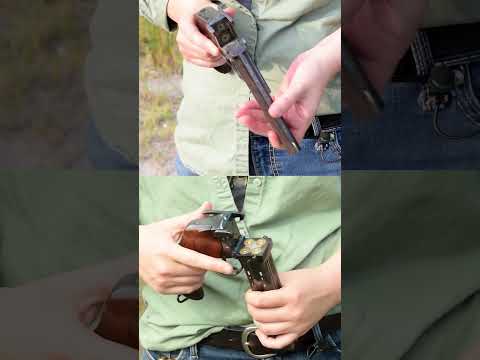
History Primer 205: Mexican Mondragon Model of 1908

Published on December 24, 2024
Duration: 111:28

This video provides an in-depth look at the history and technical details of the Mondragon rifle, focusing on its development and variants. It covers the Mexican Mondragon Model of 1908, its pre-production stages, and its eventual adoption and modification by Germany as the FSK 1915 and by Switzerland for aviation use. The video includes detailed disassembly and reassembly procedures, operational mechanics, and historical context of its limited service.

Quick Summary

The Mondragon Model 1908 was the first semi-automatic military rifle to see general production and theoretical adoption. It featured a gas-operated, rotating bolt system chambered in 7x57mm Mauser, with a 10-round capacity fed by stripper clips. Despite its advanced design, issues with ammunition sensitivity and political instability led to its contract being abandoned.

Chapters

  1. 00:00Introduction to the Mondragon Rifle
  2. 00:24Mondragon 1908: First Semi-Automatic Military Rifle
  3. 00:45Mondragon 1908: Physical Specifications
  4. 00:57Gas-Operated System and Magazine
  5. 01:11Support the Channel: Patreon & Ballistol
  6. 02:11Manuel Mondragon's Early Work
  7. 03:28Detailed Look at the Mondragon Carbine
  8. 04:23Semi-Automatic Action and Bolt
  9. 05:18Magazine System and Caliber
  10. 05:54Partial Disassembly and Bolt Disconnect
  11. 08:01Trigger Group and Safety Mechanism
  12. 08:44Markings: Carabina Porfirio Diaz Modello Numero Tres
  13. 09:16Caliber Choice and Mexican Adoption Issues
  14. 09:34Testing and Trials of Mondragon Rifles
  15. 10:56US Patent and Key Features
  16. 11:42Pre-Production Model of 1908
  17. 12:051908 Rifle: Front End and Gas System
  18. 13:23Rear Sight and Action Details
  19. 14:04Box Magazine and Safety
  20. 14:32Stripper Clip Loading and Bolt Disconnect
  21. 15:31Bolt and Follower Design
  22. 16:30Takedown Procedure for Early Models
  23. 17:05Gift to Alfonso XIII of Spain
  24. 17:23Official Name: Porfirio Diaz Mondragon System Rifle
  25. 17:45Full Production Changes: Reliability and Bipod
  26. 18:12Comparison: Pre-production vs. Production 1908
  27. 19:13Action Similarities and Stripper Clip Feed
  28. 20:11Markings: Fusil Porfirio Diaz Sistema Mondragon Model 1908
  29. 20:28Mexican Crest and Contract Issues
  30. 20:46Sling Mounts and Butt Plate
  31. 21:10Confusing Features and Mexican Contract Deviations
  32. 21:39Pin Modifications and Barrel Length Differences
  33. 22:30Operational Mechanics: Charger Loading Semi-Automatic
  34. 23:47Gas Piston System Explained
  35. 24:28Charging Handle Assembly Functions
  36. 24:46Bolt Locking Mechanism
  37. 25:17Bolt Rotation and Locking Lug Engagement
  38. 25:45Firing Pin and Safety Mechanism
  39. 26:08Hammer and Sear Assembly
  40. 26:21Trigger and Disconnect Mechanism
  41. 27:06Manual Safety Operation
  42. 27:16Buffer Spring and Extractor
  43. 27:30Ejector Mechanism
  44. 27:44No Bolt Hold Open Feature
  45. 28:04Contract Negotiations and Pricing
  46. 29:28Spanish Interest and King Alfonso XIII
  47. 29:54Mondragon Rifle Never Saw Service in Mexico
  48. 30:20Reasons for Contract Abandonment: Ammunition Issues
  49. 30:45Case Metallurgy and Extractor Weakness
  50. 30:57Mondragon's Adjustments for Ammunition Sensitivity
  51. 31:13Mexican Revolution and Political Instability
  52. 31:42Mondragon's Entrepreneurial Ventures
  53. 32:23Mondragon's Role in the Coup and Secretary of War
  54. 33:42Envoy to Europe and Arms Procurement
  55. 34:18SIG Left Holding the Bag
  56. 34:20Stabilization Under Venustiano Carranza
  57. 34:45Cost of Arms and Ammunition Problems
  58. 35:02Overtures in 1915 and Evaporation of Transaction
  59. 35:20Great War and Demand for Arms
  60. 35:55German Search for Aviation Rifles
  61. 36:12Emergence of Air-to-Air Combat
  62. 36:41French Aviation Rifles: Winchester Models
  63. 36:49German Adoption of Mondragon Rifles
  64. 37:03German Purchase of Abandoned Mexican Contract Rifles
  65. 37:21German Modifications: FSK 1915
  66. 37:46World War I Issue Mondragon (FSK 1915)
  67. 38:08FSK 1915: Gas System and Bipod Removal
  68. 39:06FSK 1915: Chambering and Sights
  69. 39:13FSK 1915: Trigger Guard Tang Modifications
  70. 39:46FSK 1915: Screw Head Pinning
  71. 39:58FSK 1915: Selective Bolt Lock Mechanism
  72. 40:25FSK 1915: Operating Rod Disconnect
  73. 40:42FSK 1915: Purpose of Selective Lock
  74. 41:25FSK 1915: Floor Plate and Serial Numbers
  75. 42:03FSK 1915: Drum Magazine (30-round)
  76. 43:44FSK 1915: Drum Magazine Loading and Capacity
  77. 43:57FSK 1915: Markings (or lack thereof)
  78. 44:37FSK 1915: Takedown Procedure
  79. 45:39FSK 1915: Firing Pin Design
  80. 46:44Bolt Design: Extractor and Locking Lugs
  81. 47:16Bolt Camming Pathways and Detent Position
  82. 48:02Rear Locking Lugs and Hammer Interface
  83. 48:31German Specific Additions to Bolt/Receiver
  84. 49:48German Unit Markings
  85. 50:19Front of Rifle Takedown Steps
  86. 51:13Receiver Removal from Stock
  87. 51:54Barrel and Gas System Removal
  88. 53:52Trigger Pack Comparison: Early vs. Late
  89. 54:54Live Fire Demonstration
  90. 57:30Drum Magazine Production Locations
  91. 57:53German FSK 1915 Performance Issues
  92. 58:36Final Disposition of German FSK 1915 Rifles
  93. 58:56Swiss Aviation Rifle Variant
  94. 59:11Swiss Variant: 12-Round Detachable Magazine
  95. 59:30Swiss Variant: Gas Deletion and Barrel Bands
  96. 60:00Swiss Variant: Chambering (7.5mm GP11) and Sights
  97. 60:13Swiss Variant: Bolt Upgrades and Pinning
  98. 60:34Swiss Variant: Detachable Box Magazine Design
  99. 61:17Swiss Variant: Magazine Latch System
  100. 62:24Swiss Variant: Stripper Clip Use (Limited)
  101. 63:13Swiss Variant: Brass Catcher Brackets
  102. 63:56Live Fire of Swiss Aviation Rifle
  103. 65:35Mondragon's Death and Legacy
  104. 66:07Expert Opinion: Handling the Mondragon Rifles
  105. 68:09Key Differences: Pre-production vs. Production 1908
  106. 68:41Shooting Impressions: Balance and Ergonomics
  107. 69:50Conclusion: Pure 1908 vs. Aviation Guns

Frequently Asked Questions

What made the Mondragon Model 1908 significant in firearm history?

The Mondragon Model 1908 was significant as the first semi-automatic military rifle to achieve general production and theoretical adoption, marking a pivotal step in infantry weapon development.

What were the main reasons the Mexican contract for Mondragon rifles failed?

The Mexican contract failed due to a combination of factors, including expensive ammunition, inconsistent performance with certain ammunition batches, and political instability in Mexico during the revolution.

How did the German FSK 1915 differ from the original Mondragon rifle?

The German FSK 1915 variant featured a fixed gas system (no manual cutoff), often a 30-round drum magazine, and was modified for German service, sometimes with bipods removed and markings scrubbed.

What were the key features of the Swiss Mondragon aviation rifle variant?

The Swiss variant was rechambered for 7.5mm GP11, featured a 12-round detachable box magazine, and retained some earlier design elements while omitting German-style modifications like the selective bolt lock.

Can the Mondragon rifle be easily field-stripped?

The Mondragon rifle can be field-stripped, but it involves several steps including removing the barrel band, handguard, gas system, and take-down pin. It requires specific tools and a good understanding of the mechanism.

More Gunsmithing & DIY Videos You Might Like

More from C&Rsenal

View all →