How Dangerous is a SQUIB Load???

Published on August 18, 2024
Duration: 14:16

This guide details the experimental procedure for testing the dangers of a squib load, as demonstrated by 1ShotTV. It outlines the setup for remote firing a Glock 17 with an induced squib load to assess firearm integrity and potential hazards. The expert-level demonstration emphasizes safety protocols and provides critical insights into firearm failure modes under extreme stress.

Quick Summary

A squib load is an underpowered round that lodges in the firearm's barrel, creating an obstruction. Firing a subsequent live round into this obstruction generates dangerous pressure, potentially causing the firearm to rupture. In tests, a Glock 17 sustained barrel damage but maintained frame integrity, highlighting design resilience.

Chapters

  1. 00:00Introduction to Squib Loads
  2. 01:03Firearm Selection for Test
  3. 01:55Inducing the Malfunction
  4. 03:12Test Setup and Safety
  5. 05:12Live Fire Testing with Squib Load
  6. 07:56Damage Assessment
  7. 12:31Conclusion on Squib Load Danger

Frequently Asked Questions

What is a squib load and why is it dangerous?

A squib load is an underpowered round that fails to propel the bullet completely out of the barrel, leaving an obstruction. Firing a subsequent live round into this obstruction creates immense pressure, which can cause the firearm to rupture or explode, posing a severe risk to the shooter.

How did the Glock 17 perform in the squib load test?

In the test, the Glock 17's barrel sustained significant damage, including a bulge and a crack. However, the pistol's polymer frame, slide, and magazine remained intact, preventing a catastrophic failure that could injure the shooter.

What safety measures were taken during the squib load test?

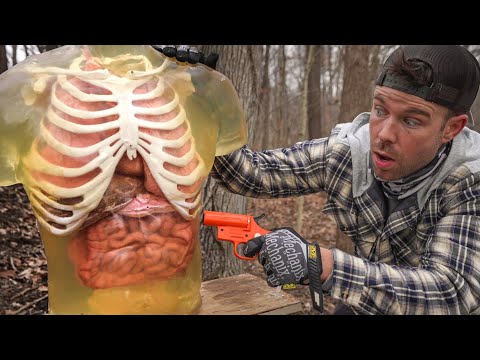
The firearm was mounted on a sawhorse and fired remotely using strings from a safe distance. A ballistic dummy was placed behind the gun to simulate a shooter and assess potential hazards from gas venting or frame failure.

Can a squib load destroy a firearm?

Yes, firing a subsequent round into a barrel obstructed by a squib load can generate pressures far exceeding the firearm's design limits, leading to catastrophic failure, including barrel rupture, frame damage, and potential injury to the shooter.

Related News

All News →

More Gunsmithing & DIY Videos You Might Like

More from 1ShotTV

View all →