How to Inlet a Semi-Inletted Rifle Stock Presented by Larry Potterfield | MidwayUSA Gunsmithing

Published on September 23, 2013
Duration: 3:46

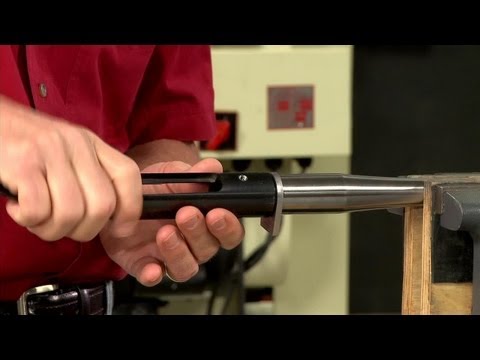
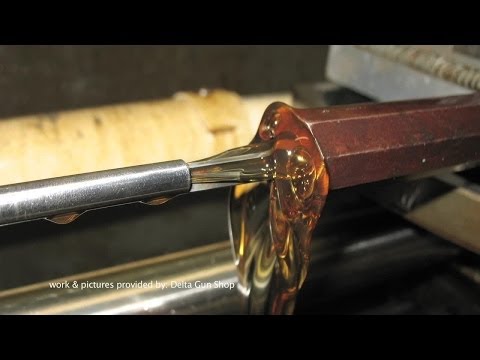
This video demonstrates the precise process of inletting a semi-inletted rifle stock, specifically for a Remington 700. It highlights the importance of careful material removal using sharp chisels and inletting black to achieve a perfect fit for the barreled action and trigger guard. The tutorial emphasizes patience and attention to detail for a professional custom rifle build.

Quick Summary

To inlet a semi-inletted rifle stock, use sharp chisels, inletting black, and guide screws. Apply inletting black to the action, seat it in the stock, and remove marked high spots incrementally with chisels until a perfect fit is achieved.

Chapters

  1. 00:00Introduction to Semi-Inletted Stocks
  2. 00:14Required Tools for Inletting
  3. 00:30Preparation and Installing Guide Screws
  4. 01:05Fitting the Recoil Lug
  5. 01:52Action and Barrel Fitting Process
  6. 02:32Fitting the Trigger Guard
  7. 03:23Final Clearance Checks

Frequently Asked Questions

What are the essential tools needed for inletting a semi-inletted rifle stock?

You'll need sharp chisels, gouges, scrapers, inletting guide screws, a rawhide mallet, an acid brush, and inletting black. Ensuring your chisels are sharp is critical for precise wood removal and a clean finish.

How do you ensure the rifle action fits correctly in a semi-inletted stock?

Apply inletting black to the action and barrel, then carefully seat it in the stock. Tap gently with a mallet to mark high spots, then remove material incrementally with chisels until the action seats fully and flush.

What is the purpose of inletting guide screws?

Inletting guide screws are used during the fitting process to ensure the barreled action is consistently and vertically aligned within the stock. This prevents shifting and ensures accuracy during repeated test fittings.

Why is inletting black important in rifle stock modification?

Inletting black is a marking compound applied to the action or stock. When the parts are assembled, it transfers to high spots, clearly indicating where material needs to be removed for a perfect, flush fit.

Related News

All News →

More Gunsmithing & DIY Videos You Might Like

More from MidwayUSA

View all →