How to Install Magnum Crossbolts in a Rifle Stock | MidwayUSA Gunsmithing

Published on August 23, 2013
Duration: 4:46

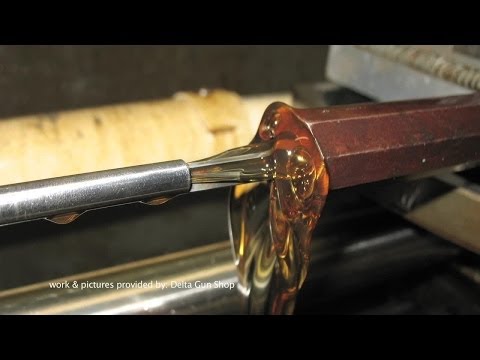
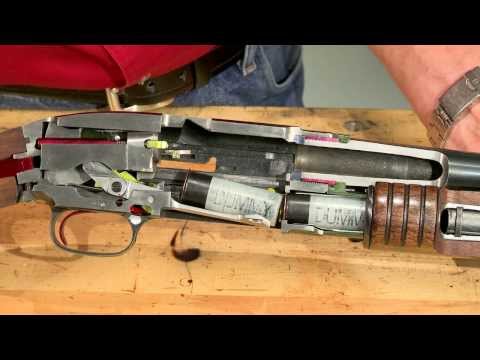
This video demonstrates how to install magnum crossbolts to reinforce wood rifle stocks, crucial for preventing splits in heavy recoil firearms. It covers different crossbolt styles, internal reinforcement methods, and the precise steps for machining, installing brass escutcheons, and finishing with ebony plugs. The process ensures stock integrity for powerful cartridges like the .375 H&H Magnum.

Quick Summary

Reinforcing wood rifle stocks is essential for medium to large caliber rifles to prevent splitting under heavy recoil. Key areas for reinforcement are behind the recoil lug and in front of the trigger. High-energy cartridges like the .375 H&H Magnum generate significant recoil that can easily split unreinforced stocks.

Chapters

  1. 00:00Introduction to Stock Reinforcement
  2. 00:35Muzzle Energy and Recoil Impact
  3. 00:52Crossbolt Styles Explained
  4. 01:42Internal Reinforcement Methods (Weatherby)
  5. 02:12Crossbolt Components and Layout
  6. 03:11Machining and Installation Steps
  7. 04:23Finishing the Ebony Plugs

Frequently Asked Questions

Why is reinforcing a wood rifle stock important for heavy recoil firearms?

Reinforcing wood stocks is crucial for medium to large caliber rifles to prevent them from splitting under the significant stress of heavy recoil, especially in key areas like behind the recoil lug and in front of the trigger.

What are the key components of a magnum crossbolt installation kit?

A typical magnum crossbolt kit includes a 10-32 screw, two brass cups (escutcheons), and ebony plugs. These are used to reinforce the stock structurally and aesthetically.

What depth should the counterbore be when installing crossbolts?

When installing crossbolts, the counterbored holes should be machined to a depth of approximately .350 inches to properly accommodate the crossbolt components and ensure a secure fit.

How are crossbolt components secured during installation?

Crossbolt components, including the screw and brass cups, are typically secured using a high-strength epoxy, such as those found in bedding kits. Black dye can be added to the epoxy for a cleaner look.

More Gunsmithing & DIY Videos You Might Like

More from MidwayUSA

View all →