A simple stock repair you can do on your own Part 2

Published on April 3, 2010
Duration: 9:37

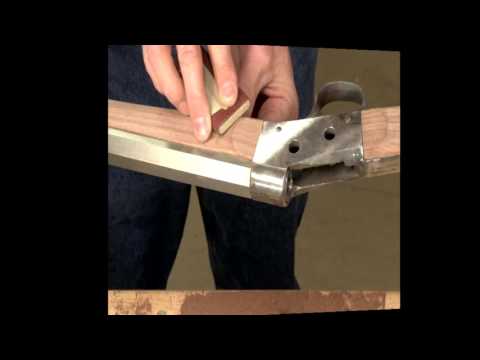
This guide details the process of repairing a firearm stock using epoxy and subsequent shaping and sanding. It emphasizes using tools like rasps and sandpaper to level the repaired area with the original stock, ensuring proper fit for components like the butt plate. The video also suggests a visual technique using fingerprint dust for precise material removal and highlights the importance of blending the repair into the overall finish of the stock.


Quick Summary

Repairing a firearm stock with epoxy involves letting it cure for at least 24-48 hours. Use a Sureform tool for initial shaping, followed by a finer rasp and 220-grit sandpaper for smoothing. Ensure the butt plate fits flush by carefully sanding down any high spots on the stock.

Chapters

  1. 00:00Introduction to Stock Repair
  2. 00:10Epoxy Curing and Initial Shaping
  3. 00:34Tools for Stock Repair: Rasps
  4. 01:03Sanding the Repaired Stock
  5. 01:42Advanced Shaping with a Rasp
  6. 02:30Sanding Block Technique
  7. 03:19Blending the Repair and Butt Plate Fitting
  8. 04:01Visual Aid: Fingerprint Dust Method
  9. 04:45Final Sanding and Butt Plate Adjustment
  10. 05:26Conclusion and Refinishing Overview

Frequently Asked Questions

What tools are needed for a firearm stock repair using epoxy?

For firearm stock repair with epoxy, you'll need the epoxy itself, clamps, a coarse rasp like a Sureform tool for initial shaping, a finer rasp for detailed work, and a sanding block with 220-grit sandpaper for final smoothing. An air compressor is useful for cleaning rasps.

How long should epoxy cure before shaping a firearm stock?

It's recommended to let epoxy cure for at least 24 hours, but ideally two days, before beginning to shape it. This ensures the epoxy is completely hardened and rock-solid, allowing for aggressive material removal without compromising the repair.

What is the best sandpaper grit for finishing a firearm stock repair?

For the final smoothing and leveling of an epoxy firearm stock repair, 220-grit sandpaper is recommended. You can use a coarser grit like 150 for initial shaping if needed, but 220-grit provides a smooth finish ready for refinishing.

How can I ensure the butt plate fits correctly after a stock repair?

After repairing and shaping the stock, fit the butt plate and identify any high spots on the stock that prevent a flush fit. Sand down these high spots until the butt plate sits evenly. Minor adjustments can also be made to the butt plate itself if necessary.

More Gunsmithing & DIY Videos You Might Like

More from Iraqveteran8888

View all →