How to Make a Flat-Top Checkering Cutter | MidwayUSA Gunsmithing

Published on June 19, 2013
Duration: 2:25

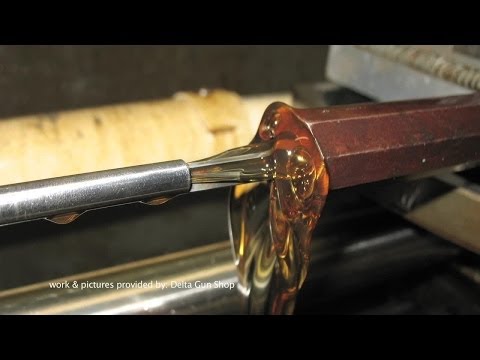
This guide details the expert process of crafting a custom flat-top checkering cutter, a specialized tool for replicating vintage firearm checkering patterns. Master Gunsmith Larry Potterfield demonstrates the precise metalworking techniques required, from shaping and hardening the O1 drill rod to filing the intricate teeth. The resulting tool is essential for firearm restoration and custom stock work, allowing for the precise reproduction of historical checkering styles found on pieces like Westley Richards shotguns and Swiss Vetterli rifles.


Quick Summary

Master Gunsmith Larry Potterfield demonstrates how to create a custom flat-top checkering cutter using O1 drill rod, a torch, and specialized files. The process involves precise shaping to a 0.015-inch tip thickness and cutting 40 LPI teeth, essential for replicating vintage firearm checkering patterns.

Chapters

  1. 00:00Introduction to Flat-Top Checkering
  2. 00:44Shaping the Cutter
  3. 01:11Filing the Tip and Teeth
  4. 01:47Final Assembly and Demonstration

Frequently Asked Questions

What materials are needed to make a custom flat-top checkering cutter?

You will need a 1/4 inch O1 drill rod, an oxy-acetylene torch for heating, various metal files for shaping, a Starrett digital caliper for precise measurements, and a 40 LPI metal checkering file to cut the teeth.

What is the critical tip thickness for a flat-top checkering cutter?

The critical tip thickness for a flat-top checkering cutter, as demonstrated for matching original Parker shotgun stock grooves, is precisely 0.015 inches. This ensures the correct depth and width of the checkering lines.

How is the checkering pattern created on the custom tool?

After shaping and hardening the O1 drill rod, a 40 lines-per-inch metal checkering file is used to carefully cut a single row of sharp teeth along the V-shaped tip of the tool.

Why is O1 drill rod a good material for this tool?

O1 drill rod is chosen for its excellent balance of hardness, toughness, and machinability after heat treatment. This makes it ideal for creating a durable cutting edge that can withstand repeated use on firearm stocks.

Related News

All News →

More Gunsmithing & DIY Videos You Might Like

More from MidwayUSA

View all →