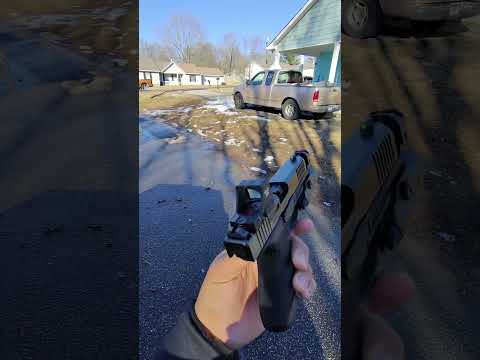
How To Polish a Glock - Gen 5 - and areas often overlooked

Published on December 25, 2018
Duration: 11:13

This guide details a '25-cent trigger job' for the Glock Gen 5, focusing on polishing key internal components to improve trigger feel. The Humble Marksman, demonstrating high authority, walks through disassembly, polishing techniques using an emery file and Flitz polish, and highlights often-overlooked areas on the Gen 5 platform. The process aims to smooth internal interfaces without altering critical geometry, potentially leading to a smoother trigger break.


Quick Summary

Improve your Glock Gen 5 trigger pull by polishing key internal components. This DIY guide covers disassembly, using an emery file and Flitz polish on the lifter, trigger bar, connector, and striker. It also highlights often-overlooked areas within the frame and slide for a smoother action.

Chapters

  1. 00:00Introduction and Tools
  2. 00:50Disassembly
  3. 01:23Polishing Technique
  4. 03:10Standard Polishing Points
  5. 06:34Overlooked Polishing Areas
  6. 08:25Advanced Modifications and Reassembly

Frequently Asked Questions

What tools are needed for a Glock Gen 5 trigger polish?

You'll need a progressive emery file (like a nail buffer), a Glock disassembly tool or 3/32 Allen key, Flitz Metal Polish, Q-tips, and a paper towel for cleaning.

What are the key areas to polish on a Glock Gen 5 for a better trigger?

Focus on the lifter, the top of the trigger bar, the connector face, the plunger face, and the striker face. Also, address often-missed areas like the trigger bar's side face against the frame and the internal frame plastic.

Can polishing alter my Glock's trigger pull weight?

Yes, improper polishing, especially on the striker face, can alter geometry and affect trigger pull weight and consistency. Smooth carefully without removing excessive material.

Is a '25-cent trigger job' safe for a Glock Gen 5?

When performed correctly, focusing on smoothing friction points without altering critical geometry, this modification can improve trigger feel safely. Always perform a function check afterward.

More Gunsmithing & DIY Videos You Might Like

More from TheHumbleMarksman

View all →