How to Polish Metal Parts for Finishing Presented by Larry Potterfield | MidwayUSA Gunsmithing

Published on July 19, 2011
Duration: 1:34

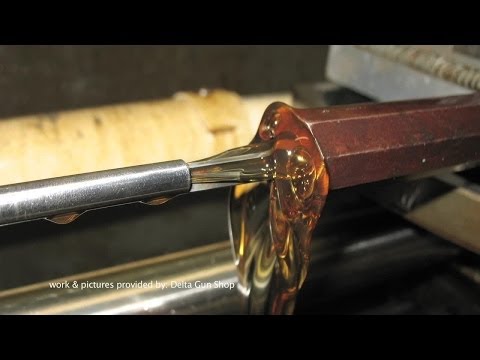
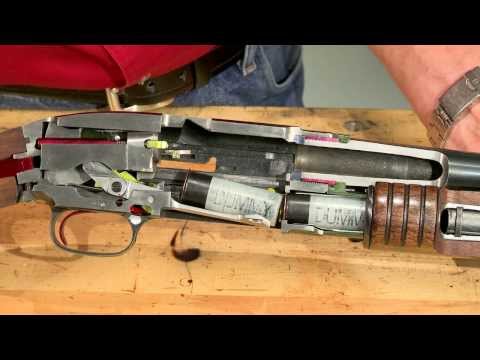
This video demonstrates essential metal polishing techniques for firearm finishing, focusing on preparing parts for bluing. Larry Potterfield emphasizes starting with coarser grits (like 100) to remove pits and scratches, progressing to finer grits (240, 320) for a smooth finish. He highlights the importance of using fixtures for small or difficult-to-hold parts to ensure an even surface.

Quick Summary

To polish pitted firearm parts, start by filing away the pits. Then, use 100-grit cloth-backed abrasive paper with a backer, progressing to 240 and 320 grits to remove scratches and achieve a smooth finish. Use fixtures for small parts to maintain a level surface.

Chapters

  1. 00:00Introduction to Metal Polishing
  2. 00:22Using Fixtures for Small Parts
  3. 00:36Filing Pitted Parts
  4. 00:52Abrasive Grit Progression
  5. 01:15Conclusion & Comparison

Frequently Asked Questions

What is the first step when polishing heavily pitted firearm parts?

For heavily pitted firearm parts, the initial step is to use a file to remove the pits. Only after the pits are removed should you begin the abrasive polishing stages with progressively finer grits.

How should small firearm parts be polished?

When polishing small or difficult-to-hold firearm parts, like a side plate, it's essential to secure them in a fixture. This ensures you can maintain a level surface throughout the polishing process for an even finish.

What abrasive grit progression is recommended for metal polishing?

Start metal polishing with a coarser grit, such as 100 grit, using cloth-backed abrasive paper and a backer. Progress through finer grits like 240 and then 320, ensuring each finer grit removes the scratches left by the previous one.

Related News

All News →

More Gunsmithing & DIY Videos You Might Like

More from MidwayUSA

View all →