How to Reduce the Trigger Pull on a Remington Rolling Block Pistol | MidwayUSA Gunsmithing

Published on December 20, 2013
Duration: 4:00

This guide details a master gunsmith's methodical process for significantly reducing the trigger pull on a Remington Rolling Block Model 1871 Army Pistol, from an excessive 16.25 lbs down to a crisp 3.0 lbs. It covers disassembly, precise sear notch modification using specialized fixtures, re-hardening techniques with Kasenit, and final range testing for improved accuracy.

Quick Summary

Master Gunsmith Larry Potterfield demonstrates how to reduce the trigger pull on a Remington Rolling Block Model 1871 Army Pistol from a heavy 16.25 lbs to a crisp 3.0 lbs. The process involves precise disassembly, altering the hammer's sear notch angle using specialized stoning fixtures, and re-hardening the part with Kasenit compound for durability, ultimately improving accuracy.

Chapters

  1. 00:00Introduction and Initial Measurement
  2. 00:31Comparison with Target Model
  3. 00:56Disassembly and Mechanics
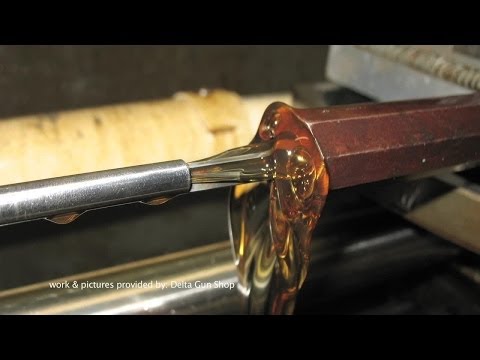
  4. 01:38Stoning the Sear Notch
  5. 02:28Testing and Case Hardening
  6. 03:48Range Testing

Frequently Asked Questions

How can I reduce the heavy trigger pull on my Remington Rolling Block pistol?

Reducing the trigger pull on a Remington Rolling Block pistol typically involves modifying the sear notch angle on the hammer. This requires careful disassembly, precise stoning using specialized fixtures like the Power Custom Series 2, and re-hardening the affected area with Kasenit compound. The process can reduce pull weight significantly, often from over 16 lbs down to around 3 lbs.

What tools are needed to modify a Remington Rolling Block pistol's trigger pull?

Essential tools for reducing trigger pull on a Remington Rolling Block pistol include a Lyman digital trigger pull gauge for measurement, a Power Custom Series 2 stoning fixture and Wilton vise for precise angle work, Dykem Steel Blue for tracking, various stones (oil stone, 600-grit), a torch, Kasenit Surface Hardening Compound, and water for re-hardening.

Why is the trigger pull on a Remington Rolling Block Model 1871 Army Pistol so heavy?

The heavy trigger pull on the Model 1871 Army Pistol is primarily due to the steep angle of the sear notch on the hammer. This design, common in military or utility firearms of the era, prioritizes reliability and safety over a light, crisp trigger, unlike dedicated target models which feature shallower sear angles.

Is it safe to modify the trigger pull on a vintage firearm like a Remington Rolling Block?

Modifying vintage firearms requires advanced gunsmithing skills and carries inherent risks. Improper modification, especially to the sear engagement, can lead to unsafe conditions like accidental discharge. It is crucial to use proper tools, techniques, and to understand metallurgy, including re-hardening the affected surfaces, as demonstrated by master gunsmiths.

More Gunsmithing & DIY Videos You Might Like

More from MidwayUSA

View all →