How to Use Wax to Protect Your Firearms Presented by Larry Potterfield | MidwayUSA Gunsmithing

Published on January 15, 2014
Duration: 3:22

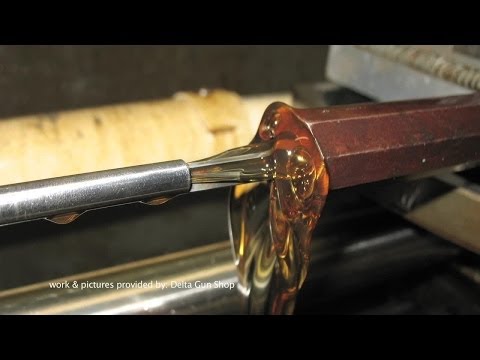
Larry Potterfield, founder of MidwayUSA, provides an expert guide on using wax to clean and protect firearms. The video demonstrates how specialized waxes can preserve wood stocks, prevent rust on metal, and protect firearms during long-term storage. A water immersion test visually confirms the protective qualities of waxed wood.

Quick Summary

Larry Potterfield of MidwayUSA demonstrates how to use wax for effective firearm protection. Waxing cleans wood and metal, brightens finishes, and prevents rust and moisture damage. A water immersion test confirms waxed wood's superior resistance to moisture, making it ideal for storage and protecting carry guns from sweat and oils.

Chapters

  1. 00:00Introduction to Waxing Firearms
  2. 00:15Benefits of Specialized Waxes
  3. 00:48Water Protection Experiment
  4. 01:44Wax Application Techniques
  5. 02:36Metal and Carry Gun Protection

Frequently Asked Questions

What are the main benefits of using wax on firearms?

Using wax on firearms offers several benefits, including cleaning old oil and dirt from wood and metal, brightening finishes, preventing rust on metal surfaces, and providing excellent protection against moisture and skin oils, especially during long-term storage or for carry guns.

How does waxing protect wood firearm stocks?

Waxing wood firearm stocks creates a barrier that significantly resists moisture penetration. This is crucial for preventing swelling, cracking, and degradation of the wood, especially when exposed to humidity or accidental water contact, as demonstrated in water immersion tests.

Can wax be used on metal parts of a firearm?

Yes, wax is effective for cleaning dirt and light rust from metal surfaces, including challenging areas like Damascus barrels. It also protects carry guns from corrosion caused by skin oils and perspiration.

What is the recommended method for applying wax to a firearm?

To apply wax, use a clean, soft cloth, remove butt plates and grip caps to seal end grain, apply a small amount of wax, and rub it into all crevices, barrel channels, and action inlets. Buff after it dries to a haze.

More Gunsmithing & DIY Videos You Might Like

More from MidwayUSA

View all →