I didn't know they came apart

Published on November 4, 2024
Duration: 1:00

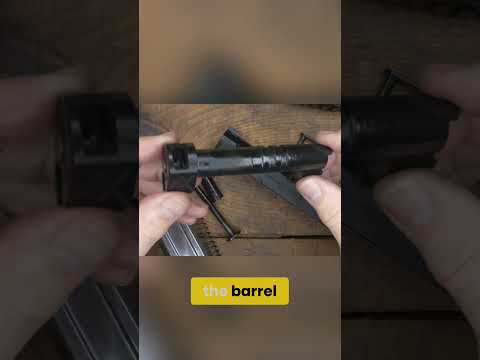
This guide details the field stripping and cleaning process for a Glock 17, as demonstrated by D'Boss Firearms. It covers essential steps from unloading to reassembly, emphasizing thorough cleaning and lubrication. The video highlights a common customer misconception about firearm maintenance and the importance of understanding basic disassembly, especially when encountering malfunctions like brass ejection issues.

Quick Summary

Learn to field strip and clean your Glock 17 from D'Boss Firearms. This guide covers unloading, disassembly, cleaning out debris like paper scraps, lubrication, and reassembly, addressing common malfunctions caused by poor maintenance.

Chapters

  1. 00:00Optic Testing & Initial Setup
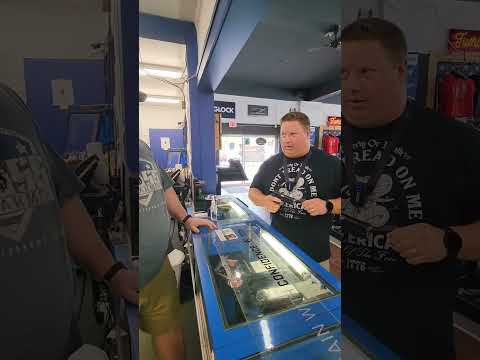
  2. 00:08Customer Issue: Glock 17 Brass Catching
  3. 00:14Misconception: Basic Cleaning Methods
  4. 00:25Inspection, Field Strip & Cleaning Process
  5. 00:53Resolution & Owner's Manual Advice

Frequently Asked Questions

How do you field strip a Glock 17 for cleaning?

To field strip a Glock 17, first ensure it's unloaded. Pull down the disassembly levers on both sides of the frame, then slide the slide forward off the frame. Remove the recoil spring and guide rod, followed by the barrel. Reverse these steps for reassembly.

What causes a Glock 17 to catch brass?

A common cause for a Glock 17 catching brass is a lack of internal cleaning and lubrication. Debris, like the paper scraps shown in the video, can interfere with the ejection port's function, leading to malfunctions.

Why is cleaning the inside of a Glock 17 important?

Cleaning the inside of your Glock 17 is crucial for reliability. It removes carbon fouling, debris, and old lubricant that can impede the firearm's function, leading to issues like failure to eject (catching brass) and ensuring smooth operation.

What tools are needed for basic Glock 17 maintenance?

For basic Glock 17 maintenance and field stripping, you primarily need a clean rag for wiping down components and appropriate firearm lubricant. While WD-40 was mentioned for general cleaning, specific firearm lubricants are recommended for optimal performance and protection.

Related News

All News →

More Gunsmithing & DIY Videos You Might Like

More from D'Boss Firearms

View all →