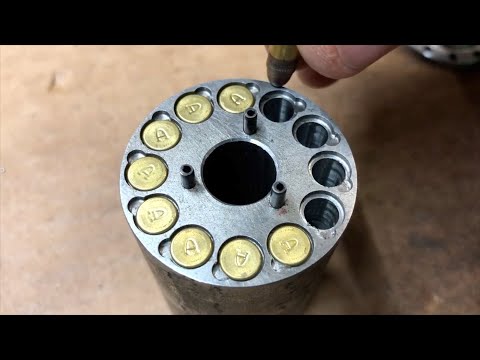
MG 42 Parts Kit!

Published on August 26, 2024
Duration: 26:08

This video provides an in-depth look at an MG 42 parts kit, focusing on its design and manufacturing techniques from a gun designer's perspective. The presenter highlights the innovative use of stamped sheet metal, the complexity of the feed mechanism, and the overall engineering achievement of the MG 42, particularly its early adoption of advanced manufacturing processes for its time. The discussion also touches upon the MG 42/59 variant and its caliber conversion.

Quick Summary

The MG 42's receiver was primarily constructed from stamped sheet metal, a revolutionary manufacturing technique for its time (circa 1942). This allowed for rapid production and the creation of complex shapes. Its sophisticated dual-paw feed system, which moves the belt halfway with each bolt cycle, is considered modern and provides a smoother belt feed compared to single-paw systems found in other machine guns.

Chapters

  1. 00:01Introduction & Background Noise
  2. 00:22Identifying the MG 42 Parts Kit
  3. 01:03MG 42 History & Design Perspective
  4. 01:37Stamped Sheet Metal Engineering Marvel
  5. 02:30MG 42/59 Variant & Caliber (.308)
  6. 03:24Receiver Construction & Welding
  7. 04:33Top Cover & Feed Mechanism
  8. 05:08Dual-Paw Feed System Explained
  9. 06:01Comparison: M60 vs. MG 42 Feed
  10. 07:03Assembly Fixtures & DIY Approach
  11. 09:09Introduction to Clecos
  12. 10:36Cleco Usage & Diameters
  13. 12:01World War II Torched & Rewelded Example
  14. 12:44Barrel Change Mechanism
  15. 13:32Internal Welds on Receiver
  16. 14:31German Engineering Outside the Box
  17. 15:40Receiver Piece Alignment
  18. 16:17Recoil Operated Mechanism
  19. 17:13Spring-Loaded Plunger Explained
  20. 18:43Booster & Hybrid Operation
  21. 19:05Beretta Manufacturing of MG 42/59
  22. 19:49Locking Mechanism Design
  23. 20:05HK Roller Delay Lock Connection
  24. 20:51MG 42/59 Rate of Fire Reduction
  25. 21:21Bolt Comparison: MG 42 vs. MG 42/59
  26. 22:43Shooting Demonstration
  27. 23:07Single Shot Firing Method
  28. 24:07Post-Firing Observations
  29. 24:20Recap & Cleco Stories
  30. 25:01MG 42 Sear Mechanism
  31. 25:35Conclusion & Thanks

Frequently Asked Questions

What makes the MG 42's construction unique for its era?

The MG 42's receiver was primarily constructed from stamped sheet metal, a revolutionary manufacturing technique for its time (circa 1942). This allowed for rapid production and the creation of complex shapes that were difficult to achieve with traditional machining methods.

How does the MG 42's feed system differ from other machine guns?

The MG 42 features a sophisticated dual-paw feed system where the feed lever moves the belt halfway with each bolt cycle (forward and rearward stroke). This design is considered modern and provides a smoother belt feed compared to single-paw systems.

What caliber is the MG 42/59 variant featured in the video?

The MG 42/59 variant, as seen in the parts kit, was chambered in .308 Winchester (7.62 NATO). This is a conversion from the original MG 42's 8mm Mauser (8x57mm) caliber.

What are 'Clecos' and how are they used in gunsmithing?

Clecos are spring-loaded fasteners used in sheet metal work to temporarily hold pieces together. In gunsmithing, they can be used to align and secure parts during assembly or welding, similar to their use in aircraft and automotive bodywork.

Related News

All News โ†’

More Gunsmithing & DIY Videos You Might Like

More from markserbu

View all โ†’