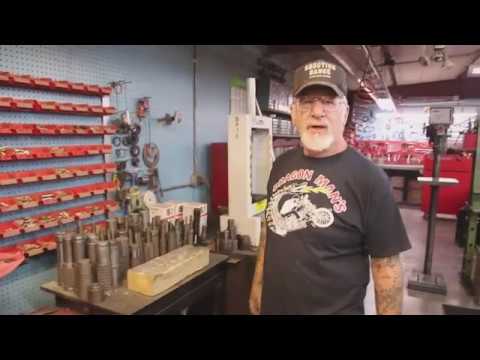
Motor Testing Harley Davidson's

Published on March 26, 2025
Duration: 6:00

Dragonman demonstrates the process of motor testing Harley Davidson engines on a specialized stand capable of starting models from 1936 to 1999. He details pre-start procedures like oil pump priming and head torquing, and discusses common customer requests such as big bore cylinders and flywheel modifications. The video highlights the importance of sending carburetors and manifolds with engines for testing and emphasizes the shop's in-house machine work.


Quick Summary

Dragonman demonstrates testing Harley Davidson engines on a specialized stand. He emphasizes priming the oil pump before startup and torquing cylinder heads to 65 lb for Shovelhead, Knucklehead, and Panhead models. He also discusses flywheel machining for increased RPMs and big bore cylinder options.

Chapters

  1. 00:00Introduction to Motor Testing
  2. 00:13Testing a 1966 Shovelhead Engine
  3. 01:23Post-Test Engine Checks
  4. 01:31Pre-Start Engine Preparation
  5. 01:56Cylinder Head Torquing Specs
  6. 02:03Tool Recommendations for Tight Spots
  7. 02:36Testing Another Shovelhead and Evolution Motor
  8. 02:43Importance of Sending Carburetor & Manifold
  9. 03:02Flywheel Machining for RPM Gains
  10. 03:10In-House Machine Work Philosophy
  11. 03:33New Engine Arrivals and Workflow
  12. 04:02Big Bore Cylinders and Compression Ratios
  13. 04:46Customer Notes and Communication
  14. 05:06Evolution Motor Rebuild Process
  15. 05:26Shipping Tip for Evolution Motors
  16. 05:40Contact Information and Guarantee

Frequently Asked Questions

What is the recommended torque for cylinder heads on Shovelhead, Knucklehead, and Panhead Harley Davidson engines?

According to Dragonman, the cylinder heads on Shovelhead, Knucklehead, and Panhead Harley Davidson engines should be torqued to 65 lb. This ensures proper sealing and prevents leaks during operation.

How can I ensure my Harley Davidson engine gets oil immediately upon startup after a rebuild?

Before starting, use an oil can to prime the oil pump intake and turn the motor over a few times. This circulates oil through the veins, ensuring the pump is primed and the engine receives lubrication from the start.

What is the benefit of machining flywheels on a Harley Davidson engine?

Machining flywheels, such as removing material, can reduce torque but significantly increase the engine's RPM capabilities. This modification is often done to enhance the engine's high-speed performance.

What information should I include when sending my Harley Davidson engine for service?

When sending your engine, always include a clear note with your return address, telephone number, and specific instructions for the work you want done. If your note is unclear, the shop will contact you for clarification.

More Gunsmithing & DIY Videos You Might Like

More from Dragonman's

View all →