Nagant 1895 SAO vs. Double

Published on January 10, 2026
Duration: 2:47

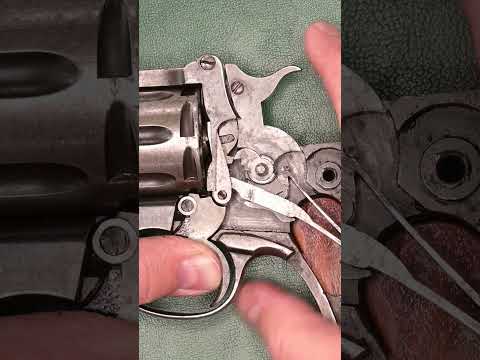
This guide, drawing from expert analysis by C&Rsenal, details how to visually distinguish between single-action only (SAO) and double-action (DA) variants of the Nagant 1895 revolver. Key identification points include the presence or absence of a hammer nose pivot screw and the shape of the hammer and internal rising block.

Quick Summary

Identify Nagant 1895 SAO vs. Double-Action variants by examining the hammer. SAO models lack a hammer nose pivot screw and have a 'beaked' hammer with an internal hook on the rising block. Double-action models possess the pivot screw and a plain-faced rising block.

Chapters

  1. 00:00Introduction to Nagant 1895 Variants
  2. 00:15Officer's Model (Double Action)
  3. 00:39Soldier's Model (Single Action Only)
  4. 01:29Visual Identification: Double Action
  5. 01:57Visual Identification: Single Action Only

Frequently Asked Questions

How can I visually identify a single-action only (SAO) Nagant 1895 revolver?

To identify an SAO Nagant 1895, look for the absence of a hammer nose pivot screw on the hammer. The hammer itself will have a distinct hook-like 'beak', and internally, a matching hook on the rising block prevents double-action functionality.

What are the key differences between the Officer's and Soldier's models of the Nagant 1895?

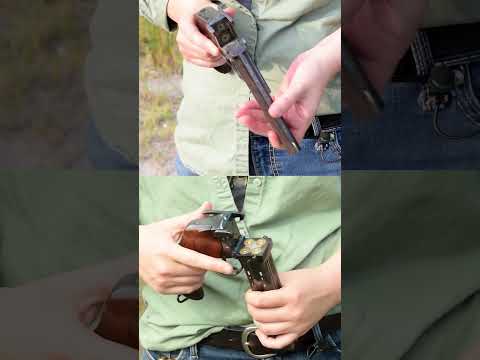
The Officer's model is typically double-action/single-action (DA/SA), the most common variant today. The original Soldier's model was single-action only (SAO), designed for cost savings and to mitigate accidental discharges by less experienced soldiers.

How does the double-action mechanism differ internally in the Nagant 1895?

A double-action Nagant 1895 features a hammer nose pivot screw. When viewed from the rear, its rising block for the gas-seal system appears plain-faced as it moves upward during the trigger pull, allowing for both single and double-action operation.

More Gunsmithing & DIY Videos You Might Like

More from C&Rsenal

View all →