Painting Your Rifle

Published on July 17, 2016
Duration: 11:45

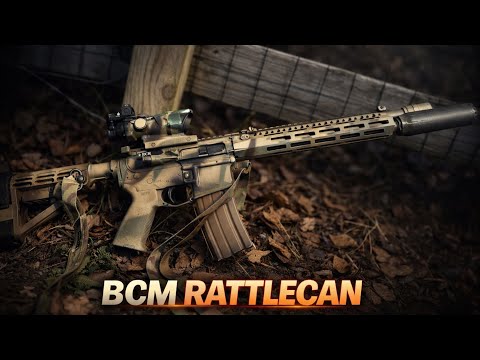
This guide details a professional method for painting rifles, inspired by EAG Tactical's Pat Rogers and demonstrated by Kit Badger. It covers preparation, base coating with Aervoe paints, and advanced patterning techniques using camouflage netting and multiple colors to break up the visual signature and reduce heat absorption. The process emphasizes proper masking and a final blending step for a durable, aesthetically pleasing finish.

Quick Summary

Learn a professional rifle painting technique inspired by EAG Tactical's Pat Rogers, demonstrated by Kit Badger. The process involves thorough degreasing and masking, applying an Aervoe base coat, and using camouflage netting as a stencil with multiple colors. A final blending step softens lines for a natural, effective camouflage pattern that also reduces heat absorption.

Chapters

  1. 00:00Introduction and Inspiration
  2. 00:43Why Paint Your Rifle?
  3. 01:44Preparation and Masking
  4. 03:12Base Coat Application
  5. 05:26Patterning Technique
  6. 09:22Final Blending

Frequently Asked Questions

What are the main benefits of painting a rifle?

Painting a rifle serves multiple purposes: it breaks up the visual signature for better camouflage, reduces heat absorption in hot environments, protects the underlying finish from wear, and allows for personal aesthetic customization.

What preparation is needed before painting a rifle?

Before painting, thoroughly degrease the rifle to remove all oils and contaminants. Critical areas like the trigger, sights, light lenses, and magazine feed lips must be meticulously masked with tape to prevent paint from interfering with function.

How can I create a professional camouflage pattern on my rifle?

Use camouflage netting as a stencil, draping it over the rifle. Layer various colors through the netting to create irregular, broken patterns. A final light dusting of the base color softens lines and blends the colors for a natural look.

What types of paint are recommended for firearms?

Professional-grade, matte finish paints like Aervoe Camouflage Paint are recommended for their durability and low-visibility properties. A matte clear coat, such as Rust-Oleum Matte Clear, can be used as a protective top layer.

Related News

All News →

More Gunsmithing & DIY Videos You Might Like

More from Kit Badger

View all →