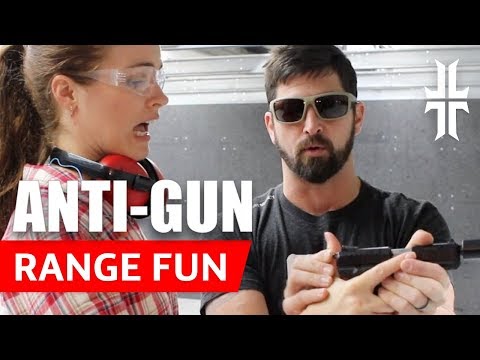
Pistol Mods - Triggers

Published on October 28, 2017
Duration: 5:14

This guide, presented by John Lovell of Warrior Poet Society, details the critical differences between competitive and defensive pistol triggers. It emphasizes the importance of a pre-travel 'wall' for safety in defensive scenarios, recommending a 4.5-5.5 pound pull weight. The guide warns against overly light and short triggers that can compromise safety mechanisms and lead to negligent discharges, advocating for modifications that balance performance with crucial safety considerations.

Quick Summary

For defensive pistol use, an ideal trigger pull weight is 4.5-5.5 pounds, featuring a noticeable pre-travel 'wall' for safety. Avoid extremely light triggers (e.g., 3 pounds) and those with no take-up, as they can compromise drop safety and increase the risk of negligent discharges under stress.

Chapters

  1. 00:06Introduction: Context Matters
  2. 00:35Competitive vs. Defensive Triggers
  3. 01:30The Pre-travel Buffer Zone Explained
  4. 02:15Customizing for Specific Uses
  5. 02:48Trident Defense Trigger Example
  6. 03:19Ideal Defensive Trigger Characteristics
  7. 04:05Warning: Unsafe Triggers
  8. 04:44Conclusion & Safety Reminder

Frequently Asked Questions

What is the ideal trigger pull weight for a defensive pistol?

For a defensive pistol, an ideal trigger pull weight is generally between 4.5 to 5.5 pounds. This weight provides a good balance between a crisp break for accuracy and sufficient resistance to prevent accidental discharges under stress or fatigue.

Why is pre-travel important in a defensive pistol trigger?

Pre-travel, often called a 'buffer zone,' in a defensive pistol trigger allows for a conscious decision before the shot breaks. This feature is crucial for safety, helping to prevent unintended discharges when the shooter is experiencing stress, fear, or fatigue.

What are the dangers of extremely light and short pistol triggers?

Extremely light and short triggers, often found in competitive setups, can be dangerous for defensive use. They lack the necessary pre-travel buffer, increasing the risk of negligent discharges, and may compromise a firearm's drop safety mechanisms.

How do competitive triggers differ from defensive triggers?

Competitive triggers are designed for maximum speed and accuracy, featuring very light pulls and short resets. Defensive triggers prioritize safety, incorporating a noticeable pre-travel 'wall' to ensure conscious shot placement and prevent accidental discharges under duress.

More Gunsmithing & DIY Videos You Might Like

More from Warrior Poet Society

View all →