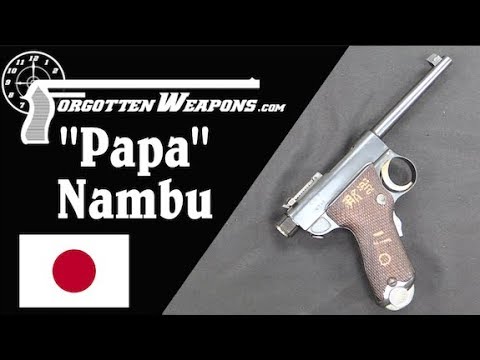
Primer 217: Japanese "Nanbu" Type 94

Published on February 10, 2026
Duration: 56:45

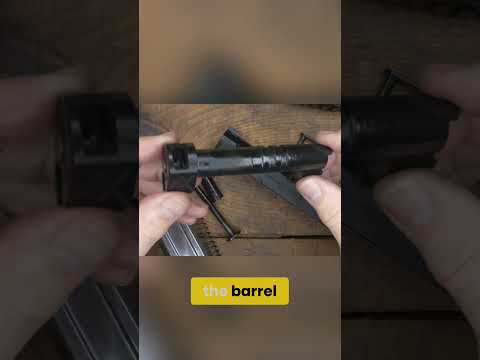
This guide details the basic field stripping procedure for the Japanese Type 94 Nambu pistol, focusing on its unique internal mechanism and the notorious exposed sear bar. It highlights the importance of safety during disassembly, as explained by an expert in historical military small arms.

Quick Summary

The Japanese Type 94 Nambu pistol is a controversial semi-automatic handgun known for its compact size and low cost, but also for a significant safety flaw: an exposed sear/transfer bar that can cause accidental discharge. It weighs 1.7 lbs unloaded, measures 7.4 inches long, and fires 8x22mm Nambu ammunition.

Chapters

  1. 00:00Introduction to the Type 94 Nambu
  2. 01:20Basic Specifications
  3. 02:28Kijiro Nambu and Early Designs
  4. 04:27Evolution to Type 14 and Private Enterprise
  5. 09:081933 Army Requirements
  6. 13:43Testing and Adoption
  7. 15:58External Features and Ergonomics
  8. 21:14The Exposed Sear Bar Controversy
  9. 22:24Disassembly and Internal Mechanism
  10. 24:43Animation of Firing Cycle
  11. 27:30Production History and Wartime Simplification
  12. 30:48Range Performance

Frequently Asked Questions

What are the key specifications of the Japanese Type 94 Nambu pistol?

The Type 94 Nambu pistol measures 7.4 inches (187mm) in length and weighs 1.7 lbs (765g) unloaded. It fires the 8x22mm Nambu cartridge and features a 6-round single-stack magazine.

What is the most notorious safety flaw of the Type 94 Nambu?

The most significant safety flaw is the exposed sear/transfer bar. Accidental pressure on this external component can cause the pistol to discharge without the trigger being pulled, posing a serious risk.

Who designed the Type 94 Nambu pistol?

While Kijiro Nambu is credited with early Nambu designs, the Type 94 pistol's development is often associated with the broader efforts of the Nambu Arms Manufacturing Company and the Japanese military's requirements, with specific individuals like Tomonori Yoshida involved in related Nambu designs.

How did wartime conditions affect the production of the Type 94 Nambu?

As the war progressed, production of the Type 94 Nambu was simplified. This led to rougher finishes, the use of wooden grips instead of plastic, and simplified sights on later models to expedite manufacturing.

More Gunsmithing & DIY Videos You Might Like

More from C&Rsenal

View all →