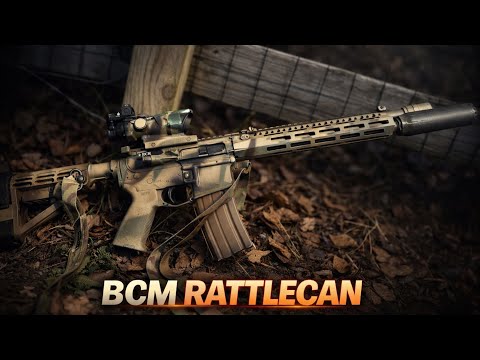
Rattlecan your rifle like a pro "must see" Spray Paint your smokewagon ๐ŸŽจ ๐Ÿ–Œ

Published on December 11, 2024
Duration: 19:50

This video provides a step-by-step guide on how to rattle can a rifle or AR pistol for camouflage. It emphasizes proper preparation, including degreasing and masking, and demonstrates the application of multiple matte paint colors using spray cans and optional stencils. The instructor highlights the importance of using matte finishes for a proper camo look and explains that the paint job is designed to wear naturally over time, creating a battle-worn aesthetic.


Quick Summary

For a professional-looking camouflage paint job on your rifle, start by thoroughly degreasing the firearm with brake cleaner and masking off all critical areas. Use matte finish spray paints, applying them in light, even coats. Accent colors like greens, browns, and blacks can be applied in stripes or patterns, with stencils offering more intricate designs. Matte finishes are essential to avoid unwanted reflections.

Chapters

  1. 00:01Introduction & Project Overview
  2. 00:35Degreasing the Firearm
  3. 01:09Paint Selection for Camo
  4. 03:02Masking the Firearm
  5. 04:42Applying Base Coat (Down to Earth)
  6. 05:45Applying Base Coat (Green)
  7. 06:12Painting an Aluminum Magazine
  8. 07:06Ventilation & Safety Reminder
  9. 08:03Painting the Other Side
  10. 09:31Applying Brown and Green Accents
  11. 12:23Using Stencils for Patterns
  12. 14:07Applying Darker Accent Colors
  13. 15:27Painting the Second Side with Stencils
  14. 18:24Final Reveal & Conclusion

Frequently Asked Questions

What is the best type of paint to use for a camouflage rifle job?

For a camouflage rifle job, it's highly recommended to use matte finish spray paints. Glossy paints can be too reflective and detract from the desired camouflage effect. Brands like Krylon and Rustoleum offer suitable matte options in various earth tones.

How do I prepare my rifle for a rattle can paint job?

Proper preparation is key. First, thoroughly degrease the firearm using brake cleaner or a similar solvent to remove all oils. Then, carefully mask off any areas you don't want painted, such as the muzzle, sights, and trigger mechanism, to prevent overspray.

What are the essential steps for applying camouflage paint to a rifle?

The process involves degreasing and masking the firearm. Apply a light base coat of matte paint, let it dry, then apply subsequent coats. Use accent colors like greens, browns, and blacks in stripes or patterns, optionally using stencils for more complex designs. Allow adequate drying time between coats and before use.

Why is a matte finish important for camouflage paint jobs?

A matte finish is crucial because it minimizes light reflection, which is essential for effective camouflage. Glossy paints are highly reflective and can make a firearm stand out, defeating the purpose of blending into the environment. Matte paints offer a non-reflective surface that better mimics natural textures.

Related News

All News โ†’

More Gunsmithing & DIY Videos You Might Like

More from Appalachian Smokewagon

View all โ†’