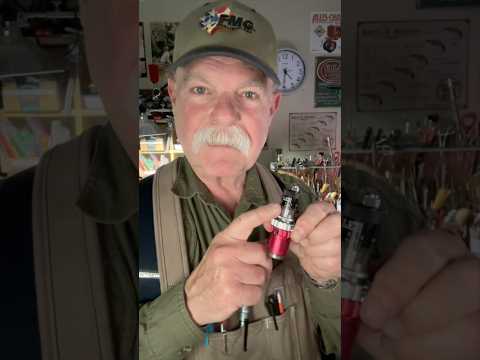
Reloading Series: Bullet Seating And Crimping

Published on November 6, 2024
Duration: 14:31

This guide details the process of bullet seating and crimping for both pistol (9mm) and rifle (223 Remington) cartridges. It covers using various dies from manufacturers like Lee Precision, Hornady, and RCBS, explaining how to set seating depth and apply a taper crimp. The video emphasizes the importance of crimping for magazine-fed firearms and offers techniques for single-operation seating and crimping.

Quick Summary

Bullet seating depth is set by adjusting the seating stem after initial contact with the bullet, verified by measuring the finished cartridge. A taper crimp removes case flare, ensuring reliable feeding for pistols and preventing bullet setback in magazine-fed rifles. Some dies allow seating and crimping in one operation.

Chapters

  1. 00:00Introduction to Bullet Seating and Crimping
  2. 00:309mm Bullet Seating Setup
  3. 02:409mm Seating and Crimping in One Operation
  4. 04:03Separate Seating and Crimping Dies
  5. 05:30Redding Seating Dies
  6. 06:32223 Remington Rifle Reloading
  7. 07:16Hornady Sleeved Seating Die for Rifles
  8. 08:20RCBS Seating Die with Micrometer
  9. 09:51The Role of the Caliber in Crimping
  10. 11:16Crimping 223 Remington for AR-15
  11. 13:13Importance of Case Length Consistency
  12. 13:43Conclusion: Complete Cartridges

Frequently Asked Questions

How do you set the correct bullet seating depth during reloading?

To set bullet seating depth, back off the seating stem completely, screw the die down until it contacts the bullet, then adjust the stem to the desired depth and measure the cartridge with calipers for verification. Repeat adjustments as needed.

What is the purpose of a taper crimp in reloading?

A taper crimp is used to remove the case mouth flare, providing a slight grip on the bullet. For pistol cartridges like 9mm, it ensures reliable feeding. For rifle cartridges in magazine-fed platforms, it prevents bullet setback during recoil and cycling.

Can you seat and crimp a bullet in a single reloading press operation?

Yes, many reloading dies, especially those designed for progressive presses, allow for seating and crimping in a single operation. This is achieved by setting the seating stem to the desired depth and then adjusting the die to apply the crimp after the bullet is seated.

Why is consistent case length important for rifle cartridge reloading?

Consistent case length is crucial for rifle reloading, especially when crimping. It ensures uniform crimp depth from round to round, which helps maintain consistent bullet pull and, consequently, stable chamber pressures and improved accuracy.

Related News

All News →

More Gunsmithing & DIY Videos You Might Like

More from Brownells, Inc.

View all →