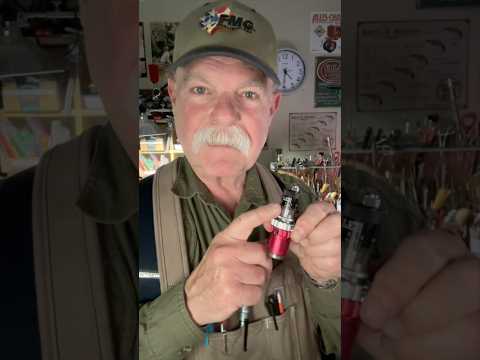
Reloading Series: Case Sizing

Published on October 17, 2024
Duration: 21:51

This video demonstrates the process of setting up and using a full-length sizing die for reloading. It covers both straight-wall pistol cartridges like 9mm and bottleneck rifle cartridges such as .223 Remington. Key steps include proper die installation on the press, the importance of case lubrication for bottleneck cases, and checking sized brass with a case gauge. The instructors highlight the function of the sizing die in returning fired brass to proper dimensions for chambering and the role of shoulder bumping in bottleneck cartridges.

Quick Summary

Full-length sizing dies are essential for reloading, restoring fired brass to chamber dimensions and bumping the shoulder back on bottleneck cartridges for reliable feeding. Use case lubricant for bottleneck cases but not typically for straight-wall cases with carbide dies. Always check sized brass with a case gauge to ensure proper fit.

Chapters

  1. 00:00Introduction to Case Sizing
  2. 00:37Types of Case Sizing: Straight Wall vs. Bottleneck
  3. 01:12Carbide Dies for Straight Wall Cases (9mm)
  4. 01:49Setting Up the Sizing Die on the Press
  5. 02:51Why Case Sizing is Necessary (Chamber Fit)
  6. 03:30Identifying the Sizing Die (with Decapping Rod)
  7. 04:09Universal Decapping Die
  8. 05:04Adjusting and Locking the Sizing Die
  9. 06:06Inside a Sizing Die (Cutaway View)
  10. 07:27Bumping the Shoulder Back (Bottleneck Cases)
  11. 08:15Resizing 9mm Brass
  12. 09:03Efficiency Tips for Sizing
  13. 09:57Preparing for Bottleneck Case Sizing (.223)
  14. 10:10Case Lubrication for Bottleneck Cases
  15. 11:04Setting Up a .223 Sizing Die
  16. 11:52Resizing .223 Brass and Potential Issues
  17. 13:53Case Length and Trimming (.223)
  18. 15:35Checking Sized Brass with a Gauge
  19. 17:58When NOT to Full-Length Size (Neck Sizing)
  20. 19:35Small Base Dies Explained
  21. 20:29Conclusion and Next Steps

Frequently Asked Questions

What is the primary purpose of a full-length sizing die in reloading?

A full-length sizing die restores fired brass cases to their original dimensions, ensuring they fit correctly in the firearm's chamber. For bottleneck cartridges, it also bumps the shoulder back, which is crucial for reliable feeding in semi-automatic firearms and proper headspacing.

Do I need to lubricate brass cases before resizing?

Lubrication is essential for bottleneck rifle cases to prevent damage and ensure smooth resizing. However, for straight-wall pistol cases like 9mm, especially when using carbide dies, lubrication is typically not required.

How do I know if my resized brass is correct?

After resizing, use a case gauge specific to your cartridge. The resized case should drop freely into the gauge without excessive resistance. For bottleneck cases, the gauge also helps determine if the shoulder is correctly bumped and if the case length requires trimming.

When would I choose neck sizing over full-length sizing?

Neck sizing is primarily used for precision bolt-action rifle cartridges where cases are fire-formed to a specific chamber. It preserves the case's fit to that chamber, potentially increasing case life and accuracy by avoiding unnecessary stress on the brass.

Related News

All News →

More Gunsmithing & DIY Videos You Might Like

More from Brownells, Inc.

View all →