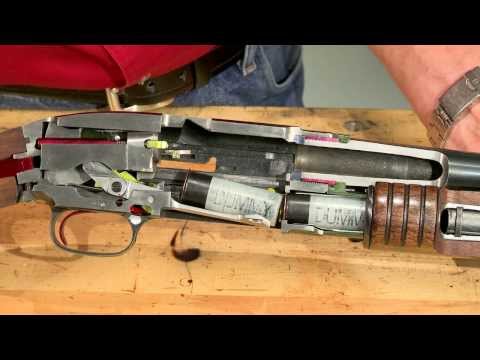
Repairing the Buttplate on a Remington Model 11 Shotgun | Remington Model 11 Shotgun Project

Published on November 30, 2012
Duration: 1:38

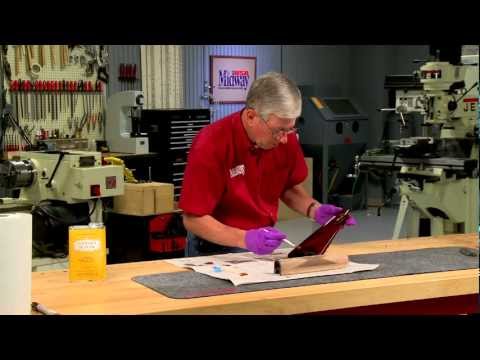
This guide details a professional buttplate repair technique for vintage shotguns, specifically demonstrated on a Remington Model 11, by Larry Potterfield, Founder and CEO of MidwayUSA. The process involves preparing chipped areas, applying a custom-mixed epoxy filler, shaping the cured material, and restoring the checkering pattern for a near-invisible repair. This expert-level instruction highlights practical gunsmithing skills for maintaining classic firearms.

Quick Summary

Repairing a chipped buttplate on a vintage shotgun like the Remington Model 11 involves preparing the area, filling chips with a custom-mixed epoxy, shaping the cured material, and restoring the checkering pattern. This expert technique, demonstrated by Larry Potterfield, ensures a durable and aesthetically pleasing repair.

Chapters

  1. 00:12Introduction to Buttplate Repair
  2. 00:21Identifying Firearm Model
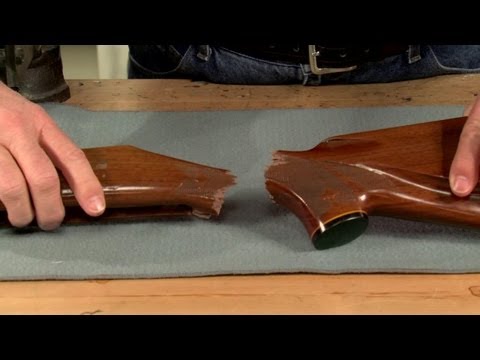
  3. 00:31Assessing Buttplate Condition
  4. 00:39Repair Kit Introduction
  5. 00:44Preparing the Repair Area
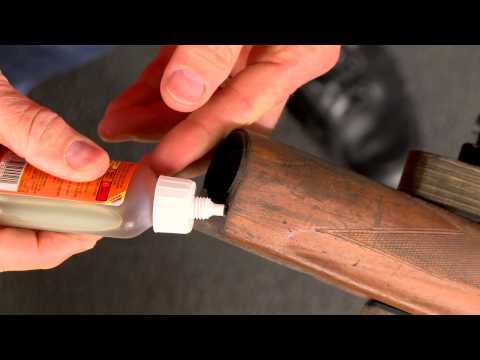
  6. 00:47Mixing Epoxy Filler
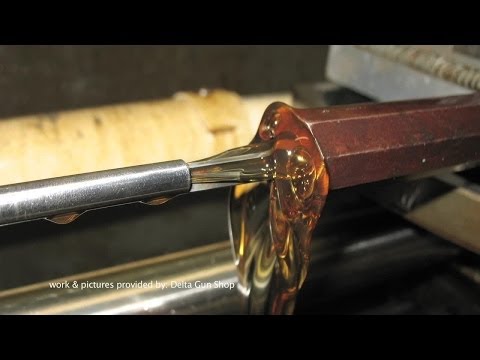
  7. 00:52Applying and Curing Epoxy
  8. 00:57Shaping the Repair
  9. 01:03Restoring Checkering Pattern
  10. 01:11Completed Repair
  11. 01:16Conclusion and Call to Action

Frequently Asked Questions

How can I repair a chipped buttplate on an old shotgun?

You can repair a chipped buttplate by preparing the chipped area with a drill, mixing a two-part epoxy filler (like from the Miles Gilbert Bedrock Glass Bedding Kit) with dye for color matching, applying it to fill the chips, letting it cure, and then filing it smooth. Finally, restore the checkering pattern into the repaired area.

What tools are needed for a buttplate repair?

Essential tools for a buttplate repair include a drill for surface preparation, files for shaping the cured epoxy, and a checkering tool to restore the pattern. Mixing sticks and containers are also necessary for the epoxy.

Can I match the color of the buttplate repair?

Yes, by adding a small amount of black dye to the epoxy mixture (resin and hardener) before application, you can achieve a color match to the original buttplate material, making the repair less noticeable.

What is the best way to restore checkering after a buttplate repair?

After the epoxy has fully cured and been filed smooth, use a single-line checkering cutter to carefully extend the existing checkering pattern from the original buttplate material into the repaired epoxy area. This ensures a visually consistent finish.

More Gunsmithing & DIY Videos You Might Like

More from MidwayUSA

View all →