Springs!

Published on March 8, 2023
Duration: 21:42

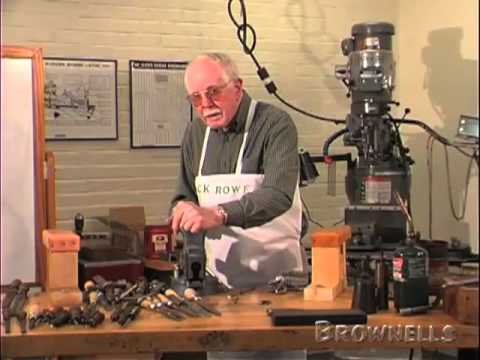
This video demonstrates the process of fabricating custom helper springs using music wire, primarily for an aircraft brake master cylinder issue. The author, Mark Serbu, details the steps involved in winding springs around a mandrel, cutting them to size, and heat-treating them. While the primary application is for an airplane, the techniques shown are applicable to creating custom springs for various mechanical needs, including firearm components.

Quick Summary

Learn to make custom springs from music wire by winding it around a mandrel and then heat treating it to harden. This process involves selecting the right wire diameter, maintaining consistent coil spacing, and baking the springs at around 400-450°F for about 30 minutes to achieve a durable, brownish finish.

Chapters

  1. 00:00Introduction to Springs
  2. 00:16The Problem: Aircraft Brake Spring
  3. 01:46Initial Spring Winding Attempt
  4. 02:21Workshop Setup and Tools
  5. 03:19Cutting and Grinding Music Wire
  6. 04:38Cutting the Jig Slot
  7. 05:43Music Wire Properties and Selection
  8. 06:30Winging It: Spring Design
  9. 07:44Winding the First Spring
  10. 08:13Planning and Tool Issues
  11. 09:18First Spring Outcome
  12. 09:43Making More Springs
  13. 10:16Struggles with Winding
  14. 11:01Adjusting the Jig
  15. 11:39Successful Spring Winding
  16. 11:55Observing Spring Back
  17. 12:15Trimming Spring Ends
  18. 13:19Cutting Hardened Steel
  19. 13:50Final Spring Trims
  20. 14:11Music Wire Packaging Issues
  21. 14:55Making More Springs
  22. 15:11Spacing Issues
  23. 15:52Spring Calculator Mention
  24. 16:26Final Spring Making
  25. 17:27Heat Treatment Preparation
  26. 18:23Post-Heat Treatment Observation
  27. 19:15Color Change After Baking
  28. 19:30Springs Ready for Testing
  29. 19:45Summary of Spring Making Process
  30. 19:54The Theory of Springs
  31. 20:45Conclusion and Viewer Engagement

Frequently Asked Questions

What material is best for making custom springs for mechanical applications?

Music wire is a highly recommended material for making custom springs due to its availability in various diameters, its cost-effectiveness, and its hardened steel properties, making it suitable for applications requiring durability and elasticity.

How do you properly wind a spring using music wire?

To wind a spring, secure a mandrel of the desired inner diameter and begin winding music wire around it. Ensure the first few coils are touching, then maintain consistent spacing for subsequent coils. A jig with a slot can help guide the wire and maintain tension during the process.

What is the purpose of heat treating custom-made springs?

Heat treating custom-made springs, typically by baking them at high temperatures (around 400-450°F for 30 minutes), hardens the music wire. This process changes the spring's color to a brownish hue and significantly increases its strength and durability for its intended application.

How can you influence the spring rate when making a spring?

The spring rate can be influenced by several factors, including wire diameter, the number of active coils, and the spring's outer diameter. A larger outer diameter generally decreases the spring rate, while a smaller one increases it, assuming other factors remain constant.

More Gunsmithing & DIY Videos You Might Like

More from markserbu

View all →