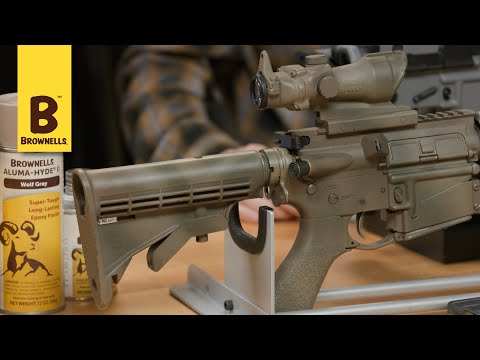
Tech Tip: How to Parkerize Your Firearm

Published on October 26, 2016
Duration: 5:36

This guide details the process of parkerizing firearm components, a method for creating a durable, corrosion-resistant phosphate coating. It emphasizes critical steps like surface preparation, material sorting, and proper solution management. The process, suitable for steel parts like those found on a 1911 or Remington 870, requires specific equipment and careful handling to achieve optimal results. Instruction is provided with a professional and technically detailed tone, characteristic of expert guidance from a major industry supplier.

Quick Summary

Parkerizing is a chemical conversion coating that creates a durable, corrosion-resistant phosphate finish on steel firearm parts. It's essential to properly prepare the surface by stripping and roughening it, and to maintain the solution at around 195°F during the 5-15 minute immersion process. Non-steel parts should be excluded, and parts must be kept clean to avoid contamination.

Chapters

  1. 00:00Introduction to Parkerizing
  2. 00:33Required Equipment
  3. 01:05Surface Preparation
  4. 01:29Disassembly and Material Sorting
  5. 02:13Removing Old Finish
  6. 02:52Solution Preparation and Seasoning
  7. 03:31Cleaning and Degreasing
  8. 03:52The Parkerizing Process
  9. 04:31Post-Treatment Oil

Frequently Asked Questions

What is parkerizing and why is it used on firearms?

Parkerizing is a phosphate coating process that creates a tough, corrosion-resistant finish on steel firearm parts. It forms a porous layer that absorbs oil, providing excellent protection against wear and rust, and was widely adopted for military weapons.

What essential equipment is needed for parkerizing at home?

For home parkerizing, you'll need a heat source, thermometer, a non-reactive vessel (like stainless steel), parkerizing concentrate, atomized steel powder, coffee filters, and wire for suspending parts. Proper surface preparation tools are also crucial.

How do I prepare the firearm parts for parkerizing?

Parts must be completely disassembled and stripped of any existing finish. The steel surface needs to be roughened with 180-220 grit sandpaper or sandblasting to ensure the parkerizing solution can bond effectively. Avoid parkerizing non-steel components.

What is the correct temperature and immersion time for parkerizing?

The parkerizing solution should be heated to approximately 195°F. Parts are then immersed for 5 to 15 minutes, or until the chemical reaction (bubbling) subsides, after which they are thoroughly rinsed and treated with oil.

More Gunsmithing & DIY Videos You Might Like

More from Brownells, Inc.

View all →