Top 10 Go To Rifle Essentials

Published on September 30, 2020
Duration: 28:31

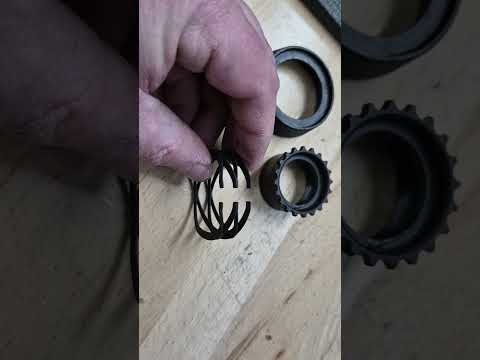
This guide, drawing on over 20 years of gunsmithing experience from Robbie Wheaton, details common AR-15 reliability issues stemming from the gas system. It provides a practical method for checking gas ring integrity and highlights the importance of inspecting the gas tube for wear. Proactive replacement of these components is recommended to prevent jams and ensure consistent firearm function.

Quick Summary

Common AR-15 jams like failure to extract or stovepipes often originate from worn gas rings or gas tubes. A simple test for gas ring wear involves placing the bolt carrier on a flat surface; if it falls, replacement is needed. Proactive replacement of gas rings and tubes every 3,000 rounds is recommended for optimal reliability.

Chapters

  1. 00:00Introduction & Live Stream Issue
  2. 00:44Top 5 Essential AR-15 Rifle Accessories
  3. 01:321. Sling Importance
  4. 02:492. Backup Iron Sights
  5. 03:443. Extra Magazines
  6. 04:464. Flash Hider / Muzzle Device
  7. 05:595. Weapon Light
  8. 06:486. Ammunition
  9. 07:47Top 5 AR-15 Performance Improvements
  10. 07:491. Free Float Handguard
  11. 08:232. Quality Trigger
  12. 08:443. Ambidextrous Safety
  13. 09:394. Ambidextrous Charging Handle
  14. 10:175. Low Power Variable Optic (LPVO)
  15. 12:28Carrying Magazines & Medical Gear
  16. 13:09Battle Belt / Plate Carrier
  17. 13:54Trauma Kit / Medical Gear
  18. 15:53Common AR-15 Failures & Parts
  19. 16:08Gas Rings & Bolt Carrier Group
  20. 18:14Gas Tube Wear
  21. 19:42Other Common Failure Parts
  22. 19:46Gas Key Failure
  23. 19:59Firing Pin Retaining Pin
  24. 20:20Bolt Lug Shearing
  25. 20:42Cracked Bolts
  26. 21:16Primer Issues & Trigger Group
  27. 21:48Primers Stuck in Barrel Extension
  28. 22:33Ammunition Quality Concerns
  29. 23:09Parts Availability & Timing
  30. 24:55Legal Protection (USCCA)
  31. 26:22Overall Preparedness

Frequently Asked Questions

What are the most common causes of AR-15 jams like failure to extract or stovepipes?

According to experienced gunsmiths, common AR-15 jams often stem from issues with the gas rings and bolt carrier group, or wear on the gas tube. Problems with these components can lead to short-stroking and inconsistent cycling, resulting in various malfunctions.

How can I check if my AR-15's gas rings are worn out?

A simple test for worn gas rings involves placing the bolt carrier group on a flat surface. If the carrier remains standing upright, the gas rings are likely in good condition. If it falls over, it indicates the gas rings are worn and need replacement.

What is the recommended maintenance schedule for AR-15 gas rings and gas tubes?

Proactive replacement of gas rings and gas tubes is recommended for maintaining AR-15 reliability. Gunsmiths suggest replacing these parts around every 3,000 rounds as a preventative measure to avoid common malfunctions and ensure consistent operation.

Are single-piece spiral lock gas rings as reliable as individual gas rings on an AR-15?

No, single-piece spiral lock gas rings are generally considered less reliable than three individual gas rings. The individual rings provide a better seal, preventing excessive gas blow-by that can hinder proper rifle cycling and lead to jams.

Related News

All News →

More Gunsmithing & DIY Videos You Might Like

More from sootch00

View all →