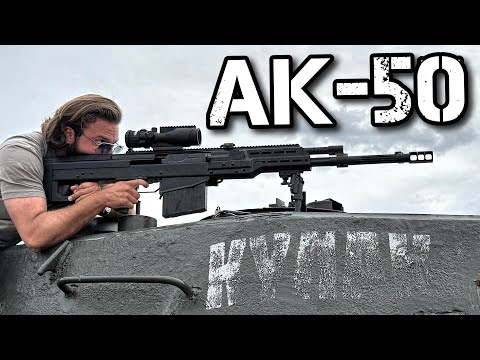
We Need To Talk About The AK-50 - Gun Life #25

Published on April 16, 2018
Duration: 19:25

This guide details the manual modification of an AK-50 bolt carrier, a critical step in addressing bolt rotation and heat treatment issues identified in the V1 prototype. The process involves precision milling to ensure full bolt rotation, followed by range testing to validate the fix and evaluate the gas system's performance. The insights provided by lead designer Brandon Herrera highlight the complexities of developing a .50 BMG rifle and the iterative nature of gunsmithing.


Quick Summary

The AK-50 .50 BMG rifle project faced critical design flaws in its V1 prototype, including soft heat treatment and improper bolt rotation. These issues were addressed through manual modification of the bolt carrier via milling to ensure full bolt rotation. Extraction failures were also noted, requiring a redesign of the extractor for the upcoming V2 prototype.

Chapters

  1. 00:00Introduction and Project Status
  2. 00:21Recap of Previous Progress
  3. 01:17NFA Review Expo Experience
  4. 02:01V2 Prototype Setbacks
  5. 03:39Blessing in Disguise
  6. 04:51Technical Issues: Camming Lug and Heat Treat
  7. 08:45Modifying the Bolt Carrier
  8. 10:17Range Testing the Modified V1
  9. 12:46Test Results and Extraction Issues
  10. 15:48Future Roadmap

Frequently Asked Questions

What were the main technical issues with the AK-50 V1 prototype?

The primary issues identified were soft heat treatment of components, leading to deformation, and improper bolt rotation. The camming groove on the bolt carrier was deforming because the bolt wasn't rotating fully, causing extraction problems.

How was the bolt rotation issue in the AK-50 prototype addressed?

The bolt carrier was manually modified using a milling machine. This process allowed the carrier to travel further forward, ensuring complete rotation of the bolt and resolving the primary rotation malfunction.

What challenges did the AK-50 project face regarding its V2 prototype?

A significant setback occurred with the machine shop responsible for the V2 prototype, causing substantial delays. This delay, however, provided an opportunity to identify critical flaws in the V1 design before they were machined into the V2.

What are the next steps for the AK-50 project after the V1 modifications?

The immediate next steps involve fixing the extraction issues, likely by redesigning the extractor. Following that, the focus will shift to magazine feeding mechanisms and finally, refining the rifle's overall aesthetics for a more complete look.

Related News

All News →

More Gunsmithing & DIY Videos You Might Like

More from Brandon Herrera

View all →