#competition range stage breakdown with commentary #guntraining

Published on March 8, 2025
Duration: 0:59

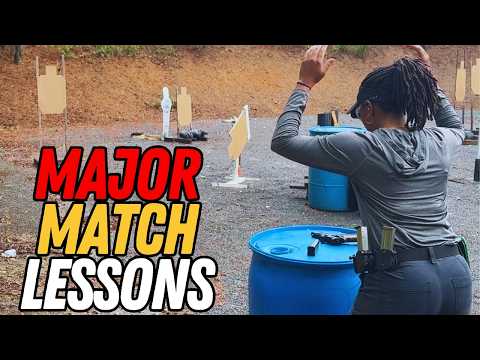
This video provides a detailed breakdown of a competition shooting stage, offering self-critique and actionable advice for improvement. The instructor, demonstrating with an EDC Glock 19, highlights common errors such as slow transitions, stutter-stepping, and target fixation. Key takeaways include leaving targets sooner, optimizing reload timing, and proper shot calling for faster stage completion.

Quick Summary

Improve your competition shooting by avoiding common mistakes like slow transitions, stutter-stepping, and target fixation. Focus on leaving targets sooner, getting your gun up before moving, and integrating reloads with movement for faster stage times. Proper shot calling is key to efficient target engagement.

Chapters

  1. 00:00Introduction and First Run Start
  2. 00:06Shooting Position and Transitions
  3. 00:13Shot Analysis and Reloading
  4. 00:20Movement and Shot Calling Errors
  5. 00:30Second Run Improvements & Mistakes
  6. 00:36Gun Up and Target Fixation
  7. 00:43Movement Errors and Support Hand
  8. 00:52Optimal Reload Spot

Frequently Asked Questions

What are common mistakes to avoid in competition shooting stages?

Common mistakes include slow transitions between targets, stutter-stepping during movement, target fixation instead of proper shot calling, and inefficient reloading. Addressing these areas can significantly improve stage times and overall performance.

How can I improve my shooting transitions in a competition stage?

To improve transitions, focus on leaving the previous target sooner and getting your gun up into the shooting position before moving to the next target. Practicing these movements will help create a smoother and faster flow between targets.

What is the best strategy for reloading during a competition stage?

The optimal strategy for reloading is to integrate it with your movement. Identify the 'best spot' in the stage where you can reload efficiently without losing significant time, often during a transition or while moving between shooting positions.

Why is proper shot calling important in practical shooting?

Proper shot calling is crucial because it allows you to focus on the target's position and prepare for the next shot without being distracted by the bullet's flight. This leads to more accurate shooting and faster engagement times.

Related News

All News →

More Range & Competition Videos You Might Like

More from Gear And Guns

View all →