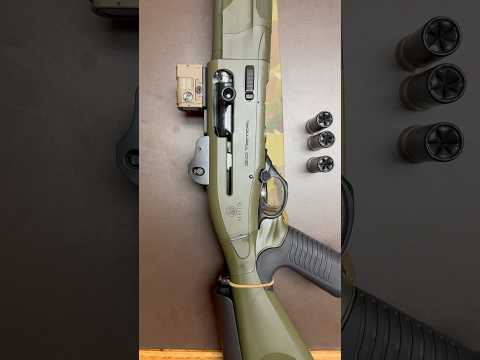
BCM Buffer System : Tube, Spring, Endplate, Detent

Published on November 12, 2024
Duration: 0:59

This guide details the installation of the BCM Buffer System on an AR-15 platform. It covers the proper threading of the buffer tube, installation of the buffer retainer and spring, securing the end plate, and final insertion of the buffer and spring. The process emphasizes correct alignment and tension to ensure reliable function.


Quick Summary

The BCM Buffer System installation involves threading the buffer tube to correctly engage the buffer retainer, using the end plate to capture critical springs and detents, and securely tightening the castle nut with a specialized wrench. Proper alignment and tension are crucial for reliable firearm function.

Chapters

  1. 00:00Initial Component Assembly
  2. 00:11Buffer Tube and Retainer Installation
  3. 00:29Securing the End Plate and Castle Nut
  4. 00:45Final Buffer and Spring Insertion

Frequently Asked Questions

What are the key components of the BCM Buffer System?

The BCM Buffer System typically includes a Mil-Spec buffer tube, a carbine-length spring, a standard buffer, a QD endplate, and a castle nut, designed for AR-15/M4 lower receivers.

How do you properly install the buffer tube and retainer?

Thread the buffer tube into the lower receiver until it just holds the buffer retainer down without crushing the spring. The retainer must still be able to move freely.

What is the purpose of the end plate in the BCM Buffer System?

The end plate serves to capture the rear takedown pin spring and detent, ensuring they are properly retained during assembly and operation of the firearm.

What tool is needed to tighten the castle nut?

A castle nut wrench, such as the Magpul Armorer's Wrench, is required to properly tighten the castle nut onto the buffer tube.

More Gunsmithing & DIY Videos You Might Like

More from Gear And Guns

View all →