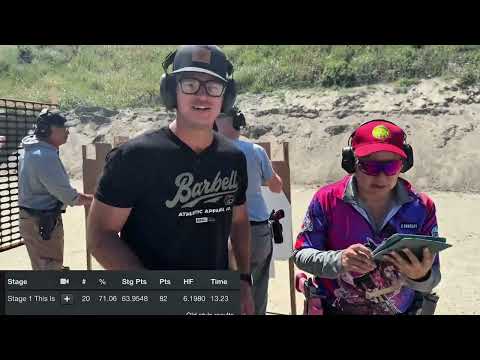
Day 1 of the Quantified Performance Match and some lessons learned!

Published on December 3, 2023
Duration: 35:30

This video details Day 1 of the Quantified Performance Match, offering insights from a participant's perspective. The instructor analyzes performance across eight stages, highlighting areas for improvement such as target transitions, position setup, and trigger control. Key takeaways include the importance of diagnosing misses, trusting ballistic data, and maintaining mental fortitude during competition.


Quick Summary

Day 1 of the Quantified Performance Match revealed common shooting errors such as incorrect optic magnification, poor trigger control, and inefficient target transitions. Key lessons learned emphasize the need to diagnose misses, trust ballistic data while remaining adaptable, and maintain mental fortitude throughout the competition.

Chapters

  1. 00:00Introduction to Quantified Performance Match
  2. 00:17Stage 1 Analysis
  3. 05:01Stage 1: Magnification & Trigger Cam Issues
  4. 07:26Stage 2 Analysis
  5. 08:13Stage 2: Position & Target Respect
  6. 10:32Stage 3 Analysis
  7. 11:20Stage 3: Tripod Setup & Dope Trust
  8. 13:34Stage 4 Analysis
  9. 14:05Stage 4: Close-Range Chaos & Reticle Loss
  10. 15:31Stage 5 Analysis
  11. 16:34Stage 5: Boat Platform Shooting
  12. 19:52Stage 6 Analysis
  13. 20:34Stage 6: Tire Targets & Recoil Control
  14. 23:14Stage 7 Analysis
  15. 23:53Stage 7: Shot Spotting & Deer Targets
  16. 26:18Stage 8 Analysis
  17. 27:09Stage 8: The Worst Stage & Bad Habits
  18. 30:33Day 1 Performance Recap & Ranking
  19. 31:05Key Takeaways: Slow Down & Diagnose
  20. 31:35Breaking Bad Habits: Dust Clouds vs. Impact
  21. 33:34Looking Ahead: Season 2 Gear
  22. 34:57Training & Merch Information

Frequently Asked Questions

What are common mistakes made during the Quantified Performance Match Day 1?

Common mistakes included issues with optic magnification, trigger cam focus, slow or imprecise target transitions, and failing to pre-plan shooting positions. The competitor also noted a tendency to press shots too quickly without diagnosing misses and a habit of correcting aim based on dust clouds instead of impact points.

How can shooters improve their target transitions in competition?

Improving target transitions involves focusing on smoothness and precision rather than just speed. This includes pre-planning positions, ensuring proper sight alignment, and practicing deliberate movements to minimize time lost between targets.

What is the importance of trusting ballistic data in shooting competitions?

Trusting ballistic data ('dope') is crucial for accurate shooting, especially at longer distances. However, competitors must also be observant and willing to adjust their aim based on actual bullet impacts, as the bullet's trajectory is the ultimate truth.

What mental game aspects are important for competitive shooters?

Maintaining mental and emotional composure is vital. This includes sticking with the stage despite frustration or misses, not developing a negative attitude, and continuing to focus on executing the task at hand, even when facing challenges.

Related News

All News →

More Range & Competition Videos You Might Like

More from Weapon Snatcher

View all →