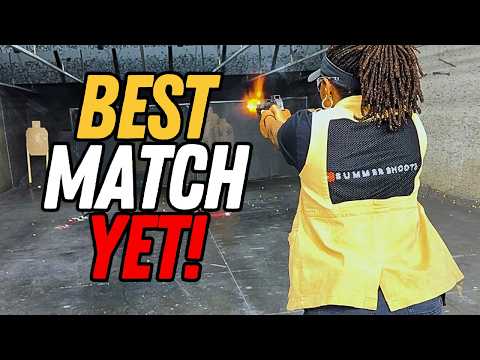
How Could I Miss This Shot??

Published on June 17, 2026
Duration: 9:14

This video documents a participant's experience at an IDPA match held at Mr Guns Range in Plano, Texas. The shooter navigates several stages, discussing their performance, strategies, and areas for improvement. Key takeaways include the importance of stage planning, managing reloads, and the impact of minor errors like a missed headshot on overall score. The shooter emphasizes continuous practice and working on weaknesses to improve.


Quick Summary

In IDPA competitions, stage planning is vital for optimizing speed and accuracy. Shooters visualize target engagement, movement, and reloads. Minimizing 'down' points (penalties for shots outside scoring zones) alongside a fast raw time is key to a good score.

Chapters

  1. 00:00Introduction to the IDPA Match
  2. 01:30First Stage Recap
  3. 03:08Second Stage: Strong Hand Only
  4. 04:45Third Stage: Regular Stage Performance
  5. 06:11Fourth Stage: Good Run
  6. 07:01Final Stage: Missed Headshot Impact
  7. 08:05Lessons Learned & Continuous Improvement

Frequently Asked Questions

What is IDPA and what are its core principles?

IDPA stands for the International Defensive Pistol Association. It's a shooting sport that emphasizes practical shooting skills relevant to self-defense scenarios, focusing on accuracy, speed, and safe gun handling under pressure.

How does footwear affect performance in shooting competitions?

Footwear is crucial for stability and traction. Wearing inappropriate shoes, like casual sneakers on a slippery range, can hinder movement, compromise balance, and increase the risk of slips, negatively impacting speed and accuracy.

What is the significance of 'down' points in IDPA?

'Down' points in IDPA represent penalties for shots that miss the scoring zones on a target. Minimizing these points is essential for achieving a good score, alongside maintaining a fast raw time.

Why is stage planning important in practical shooting?

Stage planning involves visualizing the course of fire, identifying target engagement order, planning movement, and anticipating reloads. Effective planning helps optimize speed, conserve ammunition, and minimize errors, leading to better overall performance.

More Range & Competition Videos You Might Like

More from Summer Shoots

View all →