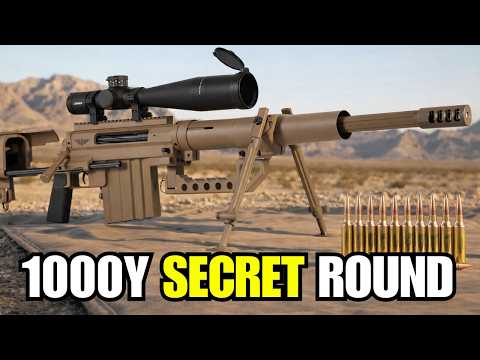
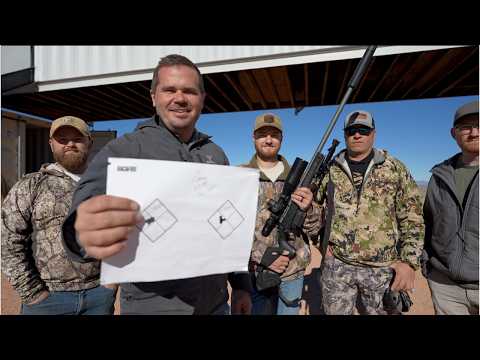
How Is This Possible? Let's Discuss

Published on March 26, 2022
Duration: 6:29

This video discusses a significant discrepancy between chronographed muzzle velocities and trued ballistic velocities for 6.5 Creedmoor ammunition. Joel from Precision Rifle Network observed that initial chronograph readings at 100 yards were considerably lower than the velocities required to accurately predict bullet drop at longer distances (400-600 yards), despite the absence of any firearm pressure signs. This phenomenon prompts a discussion on potential causes for such velocity anomalies in a precision rifle setup.

Quick Summary

A significant velocity anomaly was observed in a 6.5 Creedmoor rifle, where chronographed velocities at 100 yards (2650-2777 fps) were much lower than the trued velocities (2950-3020 fps) needed for accurate ballistic solutions at 400-600 yards, despite no pressure signs.

Chapters

  1. 00:00Introduction to Velocity Anomaly
  2. 00:27Rifle Setup Overview
  3. 00:53Specific Rifle Components
  4. 01:15Barrel Break-in and Ammunition
  5. 01:46Ammunition Brands Tested
  6. 02:05Environmental Conditions
  7. 02:39Chronographed vs. Trued Velocities
  8. 04:51Lack of Pressure Signs
  9. 05:05The Question and Discussion Prompt

Frequently Asked Questions

What is a velocity anomaly in shooting?

A velocity anomaly occurs when the measured muzzle velocity of a projectile differs significantly from what is expected based on ballistic calculations or previous data, especially when observed across different measurement points or conditions without apparent cause.

Why is truing drop data important for long-range shooting?

Truing drop data is crucial because it calibrates your ballistic solver to your specific rifle, ammunition, and environmental conditions. It ensures your aiming points accurately predict bullet trajectory at various distances, compensating for real-world variables that standard ballistic tables might miss.

What are common signs of over-pressure ammunition?

Signs of over-pressure ammunition in firearms typically include flattened or flowing primers, ejector swipe marks on the case head, sticky bolt lift, or difficulty extracting spent casings. The absence of these signs is important when investigating velocity discrepancies.

What equipment is used to measure projectile velocity?

Projectile velocity is commonly measured using a chronograph, such as a Labradar or MagnetoSpeed, which records the speed of a bullet as it passes through a specific point. Environmental data is often collected with devices like a Kestrel.

Related News

All News →

More Range & Competition Videos You Might Like

More from Precision Rifle Network

View all →