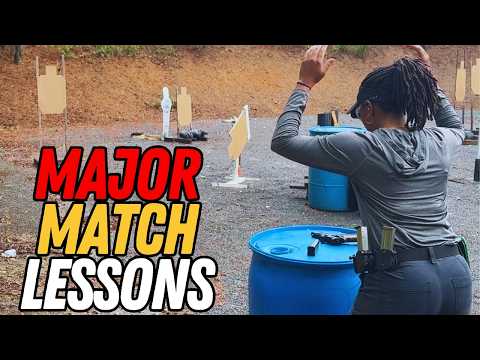
My BEST IDPA Matches of 2025 So Far!

Published on November 13, 2025
Duration: 18:07

This video showcases a shooter's performance in several IDPA matches throughout 2025. The shooter discusses their strategy for each stage, focusing on target engagement, shot placement (including headshots), and managing time penalties. They reflect on their performance, noting areas for improvement like avoiding extra shots and hitting non-threat targets, while emphasizing the importance of having fun during competition.

Quick Summary

In IDPA competition, common penalties include Down Zero Penalty (DPP) for missing targets or hitting non-threats, and time penalties for using extra magazines. Improving speed involves efficient target acquisition, smooth transitions, and precise trigger control. Headshots are crucial but require deliberate focus, while hitting non-threats incurs a significant penalty.

Chapters

  1. 00:00Introduction & Match Recap
  2. 00:26Stage 1: Planning & Execution
  3. 02:53Stage 2: Target Engagement Strategy
  4. 04:21Stage 3: Steel & Paper Target Prioritization
  5. 06:01Stage 4: Handling Multiple Targets
  6. 07:28Stage 5: Headshot Focus & Clean Run
  7. 08:52Stage 6: Final Match Reflections
  8. 09:14Night Shooting: Stage 1
  9. 11:20Night Shooting: Stage 2
  10. 12:24Night Shooting: Stage 3
  11. 14:12Night Shooting: Stage 4 - Non-Threat Hit
  12. 16:06Night Shooting: Stage 5 - Trigger Speed
  13. 17:11Night Shooting: Stage 6 - Non-Threat & Final Thoughts

Frequently Asked Questions

What are common penalties in IDPA competition?

Common penalties in IDPA include Down Zero Penalty (DPP) for missing targets, failure to engage, or hitting non-threat targets. Extra shots can also incur time penalties if they lead to using more magazines than allowed or if they are unnecessary.

How can a shooter improve their speed in IDPA stages?

Improving speed in IDPA involves efficient target acquisition, smooth transitions between targets, minimizing unnecessary movement, and practicing trigger control to fire shots accurately as soon as the target is acquired. Having a clear stage plan is also crucial.

What is the significance of headshots in IDPA?

Headshots are a critical part of IDPA, often requiring a specific number of shots to the head for maximum points. They demand greater precision and a slower, more controlled shot process compared to body shots, making them a challenging but rewarding skill to master.

What is a 'non-threat' target in IDPA, and what is the penalty?

A non-threat target in IDPA is a target that should not be engaged, often depicted as a civilian or law enforcement officer. Engaging a non-threat target results in a significant penalty, typically 10 or more seconds added to the shooter's score, and can significantly impact match results.

Related News

All News →

More Range & Competition Videos You Might Like

More from Summer Shoots

View all →