Plates behind barrels — shoot through the cover, move up, or leave them

Published on February 5, 2026
Duration: 1:08

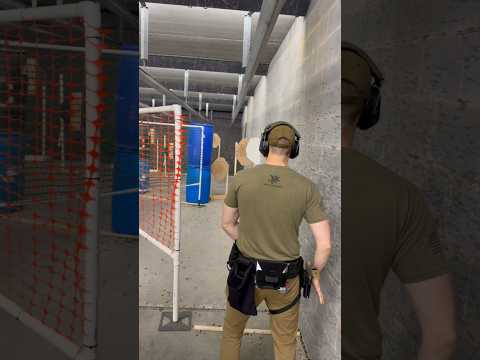
This video demonstrates a practical course of fire, highlighting tactical decisions in target engagement and the use of cover. The shooter emphasizes the importance of closing distance for accuracy and self-critiques a missed opportunity to shoot through cover. Expert insights are provided on the impact of sight zero on long-range accuracy and the strategic considerations of engaging targets behind obstacles.

Quick Summary

In competitive shooting, a key tactical decision involves engaging targets obscured by cover. The shooter in this video regretted not attempting to shoot through barrels to hit hidden steel plates, highlighting the importance of assessing whether to shoot through cover, reposition, or skip a target. Proper sight zero is also critical to avoid penalties from missed long-range shots.

Chapters

  1. 00:00Course of Fire Overview & Initial Movement
  2. 00:06Target Engagement Strategy: Closing Distance
  3. 00:14Unintended Cover: Plates Behind Barrels
  4. 00:24Tactical Regret: Missed Opportunity to Shoot Through Cover
  5. 00:35Engaging Pop-Up Targets
  6. 00:41Match Performance & Penalties
  7. 00:58Importance of Sight Zero for Accuracy

Frequently Asked Questions

What tactical decision did the shooter regret in the video?

The shooter regretted not attempting to shoot through the barrels to engage the steel plates that had become hidden behind them. Instead, they left the plates behind cover, missing an opportunity to score hits.

Why is proper sight zero crucial in competitive shooting?

Proper sight zero ensures accuracy at various distances. Failing to zero sights, as demonstrated, can lead to missing long-range targets and incurring significant time penalties, impacting overall match performance.

What are the key considerations when targets are obscured by cover?

When targets are obscured by cover, shooters must decide whether to attempt shooting through the cover, reposition to gain a clear line of fire, or skip the target. The effectiveness of shooting through cover depends on the firearm, ammunition, and the nature of the cover.

What does 'fundamentally impractical' mean in the context of competition firearms?

A 'fundamentally impractical' firearm for a competition means it's not ideally suited for the specific rules, target types, or engagement distances. This can lead to disadvantages, such as slower reloads, less ergonomic handling, or difficulty engaging certain targets, resulting in penalties.

Related News

All News →

More Range & Competition Videos You Might Like

More from Forgotten Weapons

View all →