Practical Pistol Show 235

Published on March 1, 2018
Duration: 13:21

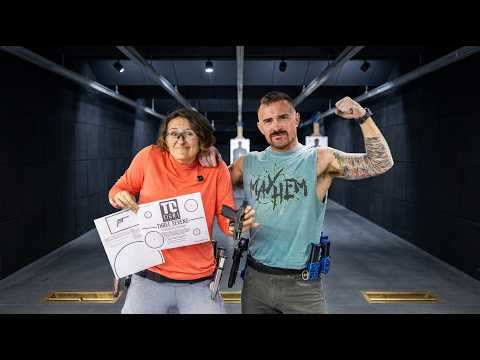
This episode of the Practical Pistol Show features Ben Stoeger, Kim, and Matt Hopkins discussing the utility of shooting classifiers in practice, the nuances of sight picture at different distances, and a concerning issue of hand numbness during dry fire. The experts generally agree that practicing classifiers is beneficial for tracking progress and understanding performance benchmarks, though they caution against over-reliance. They delve into how sight picture requirements change based on target distance and presence of no-shoot targets, emphasizing trigger control and grip as paramount for accuracy. A significant portion addresses a listener's hand numbness during extended dry fire, with advice to analyze grip differences between live and dry fire and to seek medical attention if symptoms persist.

Quick Summary

Shooting USPSA classifiers is a valid practice for competitive shooters to track progress and understand performance benchmarks. For 25-yard targets, precise sight alignment is key, especially with no-shoot obstacles, though some blurriness is acceptable on open targets. Hand numbness during dry fire is abnormal and requires grip analysis and potentially medical attention.

Chapters

  1. 00:00Introduction & Classifier Practice Discussion
  2. 03:23Sight Picture at Different Distances
  3. 08:03Dry Fire Numbness Issue & Solutions
  4. 11:31Shotcalling & Blurry Front Sight Discussion
  5. 13:04Conclusion

Frequently Asked Questions

Is shooting classifiers a good practice for competitive shooters?

Yes, shooting USPSA classifiers is generally considered a valid and beneficial drill for competitive shooters. It provides a standardized way to measure progress, understand performance benchmarks, and work towards improving classification levels.

How does sight picture requirements change for different target distances and scenarios?

For longer distances or targets with no-shoot areas, precise vertical sight alignment is crucial. On open targets at similar distances, some minor vertical and horizontal misalignment is acceptable, and the front sight can be blurrier as long as the shot is placed accurately.

What should I do if my hand goes numb during dry fire practice?

Hand numbness during dry fire is a serious concern. You should analyze your grip for unnecessary tension, compare it to your live-fire grip, and consider seeking medical advice to rule out any underlying issues and prevent permanent damage.

Why does it become harder to 'shotcall' as I shoot faster?

As you increase speed and focus more on the target, your sight picture naturally becomes blurrier. This makes it more difficult to discern exactly where your shots are landing. Experienced shooters may use a more focused front sight picture on challenging shots to improve precision.

More Training & Techniques Videos You Might Like

More from Ben Stoeger

View all →