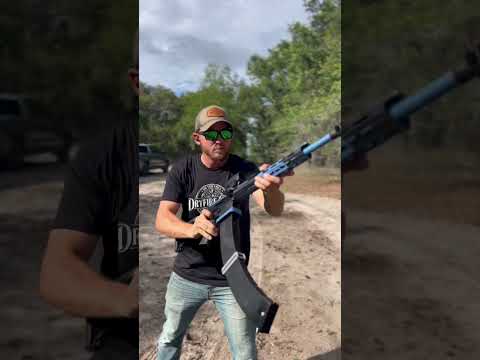
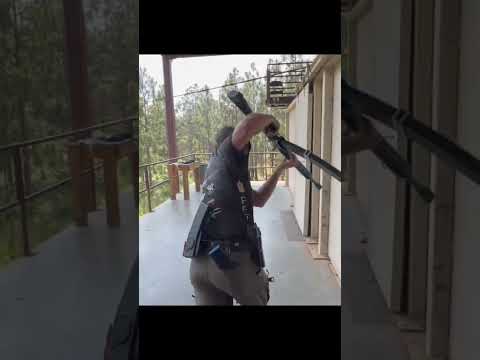
Stage Planning: Visualize & Execute (USPSA 3-Gun Nationals)

Published on August 11, 2022
Duration: 4:07

This video demonstrates expert-level stage planning for USPSA 3-Gun competitions. The instructor emphasizes arriving early to walk stages, visualize the course of fire, and develop a strategic plan. Key techniques include efficient firearm transitions and selecting the optimal firearm for specific target arrays to maximize speed and accuracy.

Quick Summary

Expert stage planning for USPSA 3-Gun involves arriving early to walk stages and visualize the course of fire. Strategically plan firearm transitions, considering that a shotgun may be more efficient for close-range steel targets than a pistol, especially under stress, due to its higher one-shot hit probability.

Chapters

  1. 00:00Introduction & Match Arrival
  2. 00:07Importance of Stage Walking
  3. 00:14Developing a Stage Plan
  4. 00:23Stage Four Walkthrough
  5. 00:30Initial Shooting Position & Targets
  6. 01:02Movement and Target Engagement
  7. 01:13Shoot House Area Options
  8. 01:18Pistol and Shotgun Strategy
  9. 01:24Steel and Paper Target Engagement
  10. 01:40Inside the Shoot House Targets
  11. 01:56Transition to Shotgun
  12. 02:04Shotgun Target Engagement
  13. 02:24Rationale for Shotgun Use
  14. 02:29Pistol vs. Shotgun for Small Targets
  15. 02:47Math of Time and Accuracy
  16. 03:04Uncertainty and Execution
  17. 03:08Upcoming Stage Shooting

Frequently Asked Questions

What is the most important step in preparing for a USPSA 3-Gun stage?

The most crucial step is arriving early to the match, ideally a day before, to thoroughly walk all stages. This allows ample time to visualize the course of fire, identify target arrays, and develop a strategic plan for movement and firearm transitions.

When should a competitor consider using a shotgun over a pistol in a USPSA stage?

A shotgun is often advantageous for engaging multiple small steel targets at close to medium distances, especially after strenuous movement. The higher probability of a one-shot hit with a shotgun can be more time-efficient than multiple pistol shots when accuracy is compromised by elevated heart rate.

How does a competitor develop an effective stage plan for 3-Gun?

Effective stage planning involves walking the stage to understand the layout, then visualizing the entire sequence of actions. This includes planning movement paths, the order of target engagement, and strategic firearm transitions, considering the strengths of each firearm for different target types.

What are the benefits of early arrival for competition shooting?

Arriving early provides dedicated time for stage walking and planning, which is essential for developing a solid strategy. This proactive approach helps competitors anticipate challenges, optimize their shooting sequence, and reduce errors during the actual match, leading to better performance.

Related News

All News →

More Range & Competition Videos You Might Like

More from Farewell Firearms Training

View all →