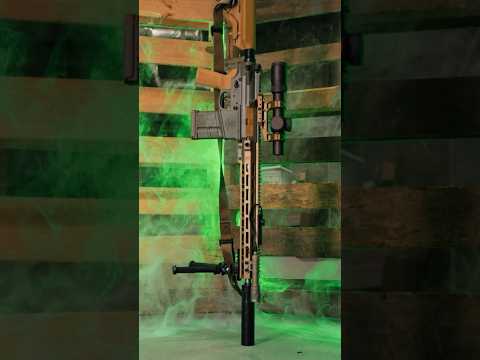
AR-15 vs AR-10

Published on November 25, 2025
Duration: 11:32

This video compares the AR-15 and AR-10 platforms, highlighting key differences in caliber, size, recoil, and application. The AR-15, chambered in 5.56x45mm NATO, is presented as a versatile and cost-effective option suitable for general use and self-defense. The AR-10, typically chambered in .308 Winchester (7.62x51mm NATO), is shown to offer greater range, terminal ballistics, and effectiveness for hunting and tactical applications, albeit with increased recoil and cost. The discussion emphasizes that AR-10 platforms lack a universal 'mil-spec' standard, leading to potential compatibility issues between manufacturers.

Quick Summary

The main difference between an AR-15 and an AR-10 is their caliber. AR-15s typically fire 5.56x45mm NATO, offering lower recoil and cost, making them suitable for self-defense. AR-10s fire larger calibers like .308 Winchester, providing greater range and terminal ballistics for hunting or tactical applications, but with increased recoil and cost.

Chapters

  1. 00:00Introduction: AR-10 Experience
  2. 00:32Welcome to Take Aim Training Range
  3. 00:41AR-15 vs AR-10 Overview
  4. 01:13AR-15 Details (Daniel Defense)
  5. 01:25Caliber Differences: 5.56 vs .308
  6. 01:44Gas Systems: Direct Impingement
  7. 01:59AR-10 Platform Explained
  8. 02:07Why 'AR-10' and Not 'AR-20'?
  9. 02:48LR308 Style vs. Traditional AR-10
  10. 03:09Lack of Mil-Spec for AR-10
  11. 03:23Parts Compatibility: AR-15 vs AR-10
  12. 03:33Shared Parts: Safety, Trigger, Grip
  13. 03:43Eliza's First AR-10 Experience
  14. 04:03Caliber Choices and Magazine Capacity
  15. 04:24Cost Comparison: Rifles and Ammunition
  16. 04:52Recoil and Terminal Ballistics
  17. 05:04Analogy: Email vs. Per My Last Email
  18. 05:16Live Shooting Comparison Begins
  19. 05:32Eliza Shoots the AR-15
  20. 06:05Light Strike Issue with Ammo
  21. 06:43AR-15 Shooting Impression
  22. 06:54Hunting Applications: 5.56 vs .308
  23. 07:14Tactical Applications: .308 for Snipers
  24. 07:25Eliza's Preference: AR-10 is Fun
  25. 07:44Short Barrel Considerations
  26. 08:09Eliza Shoots the AR-10
  27. 08:26AR-10 Terminal Energy Impact
  28. 08:43Jason Shoots the AR-15
  29. 08:58Jason Shoots the AR-10
  30. 09:14Shooter's Feel: Recoil Difference
  31. 09:30Jason's Go-To Rifle Choice
  32. 09:46Mission Dictates Gear
  33. 09:58Hunting Big Game and Long Range
  34. 10:09Jason's Preference: 5.56 Advantages
  35. 10:24Short Barrel .308 Practicality
  36. 10:35Key Differences Summarized
  37. 10:40Barrel Length and Design Variations
  38. 10:50Eliza's Final Thoughts: AR-15 for Self-Defense
  39. 11:10Having Both Options
  40. 11:17Viewer Engagement and Closing

Frequently Asked Questions

What is the main difference between an AR-15 and an AR-10?

The primary difference lies in their intended calibers. AR-15s typically fire 5.56x45mm NATO, while AR-10s are designed for larger calibers like .308 Winchester (7.62x51mm NATO). This leads to variations in size, weight, recoil, range, and terminal ballistics.

Which rifle is better for self-defense, AR-15 or AR-10?

For general self-defense, the AR-15 is often preferred due to its lighter recoil, lower ammunition cost, higher magazine capacity, and more manageable size. The AR-10's increased recoil and cost make it less ideal for typical home defense scenarios.

Does the AR-10 have a standard military specification like the AR-15?

No, the AR-10 platform does not have a universal 'mil-spec' standard. This means parts compatibility can vary significantly between different manufacturers, unlike the more standardized AR-15 platform where parts are often interchangeable.

What are the advantages of the AR-10 platform?

The AR-10 offers significant advantages in terms of longer range, greater terminal ballistics, and effectiveness for hunting larger game or for specialized tactical roles. Its larger caliber provides more stopping power and energy downrange.

Are AR-15 and AR-10 parts interchangeable?

Generally, very few parts are interchangeable between AR-15 and AR-10 platforms. While controls like the safety selector, trigger, and grip might be compatible, major components such as the upper receiver, lower receiver, bolt carrier group, and barrel are specific to each platform.

Related News

All News →

More Reviews Videos You Might Like

More from ClassicFirearms

View all →