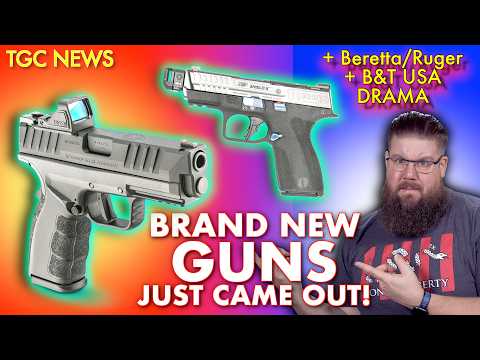
Beretta Lost the Fight, But Got Inside Ruger Anyway

Published on June 15, 2026
Duration: 12:13

This analysis explores the strategic implications of Beretta's increased stake in Ruger, moving beyond a simple buyout narrative. While Ruger maintained independence by preventing a hostile takeover, Beretta secured significant influence through a cooperation agreement. This agreement allows Beretta to raise its ownership to 25% and nominate up to two independent directors, granting them substantial insight into Ruger's future product development, market strategy, and capital allocation. The potential benefits for Ruger lie in leveraging Beretta's expertise, particularly in shotguns, optics, and rifle engineering, to enhance product lines. However, the core concern is whether this influence will lead to increased prices and a shift away from Ruger's established value proposition for the everyday shooter.

Quick Summary

Beretta did not buy Ruger, but secured significant influence by negotiating a cooperation agreement. This allows Beretta to increase its stake to 25% and nominate up to two directors, potentially enhancing Ruger's product lines in shotguns, rifles, and optics, while Ruger gains breathing room from proxy fights.

Chapters

  1. 00:00Introduction: Not a Buyout Story
  2. 00:19The Boardroom Fight Beretta Lost
  3. 00:36Beretta's Stake and Ruger's Reaction
  4. 00:51Ruger's Perspective: Control Problem
  5. 01:09The Cooperation Agreement
  6. 01:23Beretta's Influence: Inside the Gate
  7. 01:4525% Ownership and Board Access
  8. 01:59Areas of Influence: Products, Strategy
  9. 02:13Ruger's Breathing Room and the Price of Peace
  10. 02:29Why Ruger Matters to American Shooters
  11. 02:43Ruger's Strength: Usefulness Over Luxury
  12. 03:07Ruger's Product Line Examples
  13. 03:35Trust and Identity in the Ruger Brand
  14. 03:48The Core Question: Better Guns or Higher Prices?
  15. 03:59Beretta's Upside: Shotguns and Rifles
  16. 04:12Leveraging Sako and Tikka Expertise
  17. 04:30Optics as a Sleeper Advantage
  18. 04:50The Price of Influence: Shareholder Value
  19. 05:01Ruger's Financial Pressures
  20. 05:22Conversations About Returns and Pricing
  21. 05:45Avoiding a Discount Beretta
  22. 05:59Competition and Cooperation Concerns
  23. 06:07The Clock is Ticking: Gradual Change
  24. 06:19Ruger's Standstill Agreement Explained
  25. 06:34Focus on Guns, Not Corporate Fights
  26. 06:43Beretta's Path to Shaping Ruger
  27. 06:53Influence Works Through Meetings and Priorities
  28. 07:01The Next Product Cycle: The Real Scoreboard
  29. 07:11Outcome: Better Guns or Higher Prices?
  30. 07:23Conclusion: A Cleaner Path to Influence

Frequently Asked Questions

Did Beretta buy Ruger?

No, the situation between Beretta and Ruger was not a buyout. Beretta failed to force a direct boardroom takeover but negotiated a path to increased ownership, board access, and strategic influence through a cooperation agreement.

What did Ruger gain from the agreement with Beretta?

Ruger maintained its independence, avoided a contentious board election, and secured a three-year standstill agreement preventing Beretta from initiating or supporting further proxy contests, buying the company breathing room.

How much ownership can Beretta increase in Ruger?

Under the cooperation agreement, Beretta can raise its ownership stake in Ruger up to 25% of the company's shares.

Can Beretta place directors on Ruger's board?

Yes, after the 2026 annual meeting and regulatory approval, Beretta has the right to nominate up to two independent directors to Ruger's board, which will temporarily expand to accommodate them.

What are the potential benefits for Ruger from Beretta's influence?

Ruger could benefit from Beretta's extensive expertise in shotguns, rifle engineering (via Sako/Tikka), and optics (via Steiner/Burris), potentially leading to improved product lines, accuracy, and integrated optics solutions.

Related News

All News →

More Reviews Videos You Might Like

More from Line45

View all →