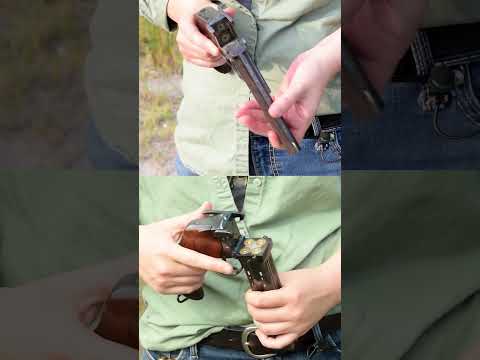
German Mauser 1871

Published on November 13, 2023
Duration: 1:00

This expert analysis of the German Mauser 1871 details its single-shot bolt-action operation, firing the 11.15x60mmR cartridge. The rifle is characterized by its substantial weight and length, a smooth action reminiscent of later Mausers, and a prominent flag safety. While robust, its accuracy can be affected by environmental factors due to barrel bedding, and its sights are noted as being less than ideal. The firing experience involves significant recoil and a large smoke signature, historically relegating it to rear-echelon roles during WWI.


Quick Summary

The German Mauser 1871 is a single-shot bolt-action rifle firing the 11.15x60mmR black powder cartridge. It weighs over 10 lbs and is nearly 53 inches long, featuring a smooth action and a flag safety. Historically, it was used in rear roles during WWI due to its firing characteristics and single-shot capacity.

Chapters

  1. 00:00Introduction to the Mauser 1871
  2. 00:18Physical Specifications and Handling
  3. 00:31Mechanical Features and Accuracy
  4. 00:43Firing Experience and Historical Context

Frequently Asked Questions

What are the key features of the German Mauser 1871 rifle?

The German Mauser 1871 is a single-shot, bolt-action rifle firing the 11.15x60mmR black powder cartridge. It's known for its substantial weight, smooth action, and a distinctive 'flag' safety. Its accuracy can be affected by environmental conditions, and firing produces significant recoil and smoke.

How does the Mauser 1871 handle and shoot?

Despite its size (over 10 lbs, nearly 53 inches), the Mauser 1871 is described as well-balanced. The bolt action is smooth. However, it produces significant recoil and a large smoke cloud when fired, and its sights are positioned far forward, impacting the sight picture.

What is the historical significance of the German Mauser 1871?

The Mauser 1871, chambered in 11.15x60mmR, was an early bolt-action rifle used by the German Empire. Due to its single-shot nature and firing characteristics, it often saw rear-echelon service during conflicts like World War I, serving as a weapon of attrition.

More Reviews Videos You Might Like

More from C&Rsenal

View all →