History Primer 190: Argentine Mauser 1891 Carbine & Peru Documentary

Published on December 26, 2023
Duration: 42:40

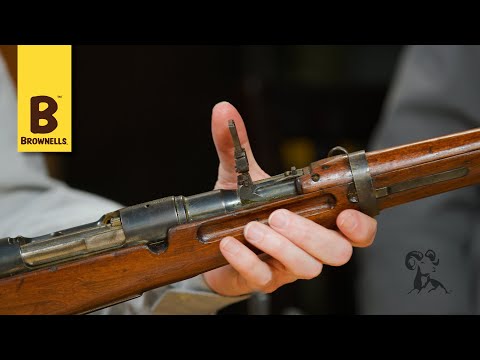
This video provides a detailed examination of the Argentine Mauser Model 1891 Carbine, highlighting its design differences from the long rifle, such as its shorter length, lighter weight, and specific features like the locking rear sight and magazine lock screw. It also touches upon its service history and variations, including Peruvian modifications and the use of Spitzer ammunition.


Quick Summary

The Argentine Mauser 1891 Carbine is a specialized variant designed for cavalry, featuring a shorter barrel, lighter weight (7.2 lbs), and a turn-down bolt handle for easier manipulation. It fires the 7.65x53mm Mauser cartridge and includes a unique magazine locking screw for enhanced security during use.

Chapters

  1. 00:22Introduction: Argentine Mauser 1891 Carbine
  2. 00:37Carbine Dimensions and Weight
  3. 00:51Mauser Action and Stripper Clips
  4. 01:14Channel Support and Sponsor Mention
  5. 02:15History of the 1891 Carbine
  6. 03:00Inspiration and Design Origins
  7. 03:10Production Timeline and Contracts
  8. 04:04Carbine Specific Features: Front End
  9. 04:21Nose Cap and Front Sight
  10. 04:35Absence of Cleaning Rod
  11. 04:43Barrel Band and Handguard
  12. 04:53Rear Sight: Graduation and Locking
  13. 05:45Action and Bolt Modifications
  14. 05:52Magazine Locking Screw Explained
  15. 06:45Sling Mount for Cavalry
  16. 07:03Shooting Demonstration
  17. 08:24May's Perspective on Carbines
  18. 08:30Service and Foreign Sales of 1891 Carbines
  19. 09:08Comparison to 1909 Cavalry Carbine
  20. 09:29Further Modifications for Service
  21. 09:44Bayonet Adaptation and Side Slings
  22. 10:161931 Contract for Carbine Modification
  23. 10:53HAFDASA Conversion Work
  24. 11:54Peruvian 1891 Rifles and Carbines
  25. 13:19Peruvian Mauser 1891 Rifle Examination
  26. 13:53Peruvian Rear Sight and Barrel Details
  27. 14:11SIG Barrels and Markings
  28. 14:45Peruvian vs. Argentine 1891 Differences
  29. 16:11Longa Vazer Rear Sight Functionality
  30. 17:03Peruvian Crest and Refinishing
  31. 17:13May Shoots the Peruvian 1891
  32. 18:48Peruvian Carbines
  33. 19:20Service Life of Updated Peruvian 1891s
  34. 19:46Argentine 1891 Combat Involvement
  35. 20:02Paraguay and Bolivia's Mauser Purchases
  36. 20:30Secret Argentine Supply to Paraguay
  37. 20:53Ground-Off Crests on Rifles
  38. 21:38Timeline of Rifle Handover
  39. 22:12Pablo Richeri: Father of Argentine Mauser
  40. 22:51May's Ergonomic Assessment: Carbine vs. Rifle
  41. 23:10Carbine Handling and Balance
  42. 23:50Sling Attachment Preference
  43. 24:04Comfort Height and Overall Impression
  44. 24:23Comparison to Other Mauser Carbines
  45. 25:00Public Reaction to the Carbine
  46. 25:39Collectibility in the US Market
  47. 26:01Bolt Handle and Action Smoothness
  48. 26:35Flag Safety Functionality
  49. 27:02Rear Sight and Locking Feature Appreciation
  50. 27:16Handguard Fit and Carbine Design
  51. 27:43Recoil and Butt Plate Comfort
  52. 29:10Recoil Comparison: Carbine vs. Other Rifles
  53. 29:59Fireball and Overall Shooting Experience
  54. 30:05Grouping and Accuracy
  55. 30:35Grip and Nubb Feature
  56. 30:51Usability in a WWI Setting
  57. 31:20Competitive Edge Against Mauser 98
  58. 32:02Peruvian 1891 vs. Carbine Comparison
  59. 32:20Peruvian Stock Texture and Finish
  60. 33:31Peruvian 1891 vs. Argentine 1891 Long Rifle
  61. 34:35Action Condition and Cycling Issues
  62. 35:56Peruvian 1891 Trigger and Grouping
  63. 36:36Longa Vazer Site for Target Shooting
  64. 37:16Heavy Barrel Impression
  65. 37:46Choice Between Argentine Long Rifle and Peruvian Long Rifle
  66. 38:17Peruvian Carbine vs. Argentine Carbine
  67. 39:00Peruvian Carbine Shooting Expectations
  68. 39:40Episode Wrap-up and Credits
  69. 40:44Revolver Project and Website
  70. 41:08Anecdote: Spray Painted Cookies
  71. 42:06Favorite Character: The Antagonist

Frequently Asked Questions

What are the key differences between the Argentine Mauser 1891 Carbine and its rifle counterpart?

The 1891 Carbine is significantly shorter and lighter than the rifle, measuring approximately 37 inches and weighing 7.2 lbs. It features a turn-down bolt handle and a unique magazine locking screw for maintenance, while lacking a cleaning rod provision and bayonet lug on standard models.

What ammunition does the Argentine Mauser 1891 Carbine use?

The Argentine Mauser 1891 Carbine fires the 7.65x53mm Mauser cartridge, also known as the 7.65 Belgian. This is the same caliber used by the standard 1891 rifle.

What were the main modifications made to Peruvian 1891 rifles and carbines?

Peruvian 1891s were updated with heavier barrels, often SIG-sourced, and Spitzer-proof rear sights. Rifles retained the 'longa vazer' sight, while carbines were shortened versions of these modernized rifles, sometimes featuring crude finishing.

What is the significance of the magazine locking screw on the 1891 carbine?

The magazine locking screw is an improvement that prevents accidental magazine release. It requires a screwdriver to disengage, ensuring the magazine stays secure during rigorous use, which is particularly important for a cavalry weapon.

How does the recoil of the Argentine Mauser 1891 Carbine compare to other firearms?

The recoil is described as moderate, more pleasant than some heavier kicking rifles like the Austrian Stutzen or some Berthiers, but more substantial than lighter recoiling carbines like the 6.5 Swedish. It's considered controllable, though it can produce a noticeable fireball.

More Reviews Videos You Might Like

More from C&Rsenal

View all →