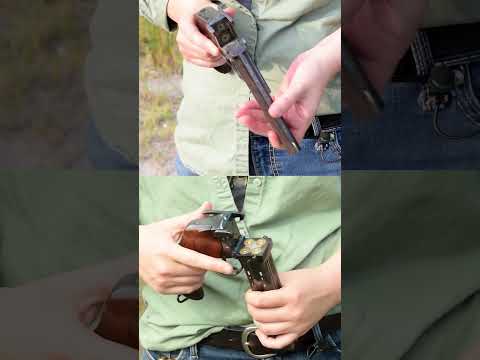
Minute of Mae: Ruby 1915

Published on June 21, 2024
Duration: 1:01

This review of the Ruby 1915 pistol highlights its compact size (6 inches overall length, 1.9 lbs) and its chambering in .32 ACP. The firearm features a low bore axis, a militarized grip, and a light but gritty trigger. It also notes the presence of tall, wide V-notch sights and a short front sight. The video emphasizes that these were handmade emergency pistols produced in large numbers during WWI, with variations between manufacturers.

Quick Summary

The Ruby 1915 is a Spanish-made emergency pistol from WWI, chambered in .32 ACP. It weighs about 1.9 lbs with a 6-inch overall length, featuring a low bore axis, militarized grip, and V-notch sights. Its trigger is light but gritty, and recoil is mild.

Chapters

  1. 00:07Introduction: Ruby 1915
  2. 00:09Specifications: Weight and Length
  3. 00:18Magazine and Loading
  4. 00:23Grip and Bore Axis
  5. 00:28Trigger and Safety
  6. 00:32Sights
  7. 00:36Recoil
  8. 00:39Historical Context: Spanish Emergency Pistols
  9. 00:43Manufacturer Variations
  10. 00:51Production Numbers and Durability
  11. 00:58Subscribe to C&Rsenal

Frequently Asked Questions

What are the key physical specifications of the Ruby 1915 pistol?

The Ruby 1915 pistol weighs approximately 1.9 lbs and has an overall length of around 6 inches. It is chambered in .32 ACP and typically uses a 9-round magazine.

What is the design philosophy behind the Ruby 1915?

The Ruby 1915 was designed as a Spanish-made emergency pistol during WWI. It features a low bore axis for reduced recoil, a thick militarized grip for control, and was handmade, leading to some variations between manufacturers.

What are the notable features of the Ruby 1915's sights and trigger?

The Ruby 1915 is equipped with tall, wide V-notch rear sights and a short half-moon front sight. The trigger pull is described as light but somewhat gritty.

Why were Ruby 1915 pistols so common during WWI?

A very large number of Ruby 1915 pistols were produced, making them readily available and often considered disposable during the Great War. This high production volume meant repairs were frequently unnecessary.

More Reviews Videos You Might Like

More from C&Rsenal

View all →