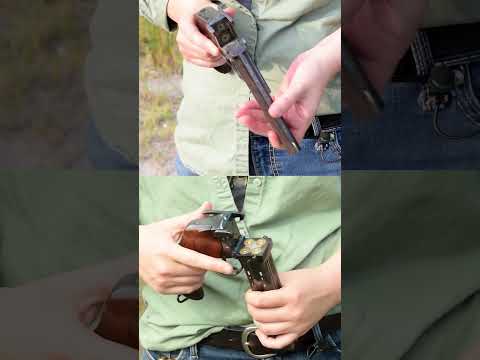
Primer 221: US WW2 M1 Garand

Published on March 31, 2026
Duration: 75:26

This video provides an in-depth look at the US WW2 M1 Garand rifle, focusing on its development, production challenges, and technical evolution. It details the transition from the gas trap system to the improved gas port design, highlighting manufacturing hurdles faced by Springfield Armory and Winchester. The expert analysis also covers operational differences compared to the M1903 Springfield and the rifle's combat performance.

Quick Summary

The US WW2 M1 Garand rifle evolved from an early 'gas trap' system, which suffered from cleaning and reliability issues, to an improved 'gas port' design. This later system fed gas through a barrel hole, enhancing ease of disassembly, strength, and operational consistency, making it a superior combat implement.

Chapters

  1. 00:00:00Introduction to Gun Oils
  2. 00:01:01Introducing the M1 Garand (Mark 2/A1)
  3. 00:02:01Early Garand Development: Gas Trap vs. Gas Port
  4. 00:03:05Educational Orders and Winchester's Involvement
  5. 00:04:04Winchester's Critique of the Garand Design
  6. 00:05:00Manufacturers' Hesitation and Educational Order Bids
  7. 00:06:19Design Freeze and Marine Corps Testing of Gas Trap
  8. 00:07:07The New Gas System: Easier Disassembly and Strength
  9. 00:07:38Detailed Look at the Gas Tube and Front Sight
  10. 00:08:14Finish Differences: Stainless Steel Gas Tubes
  11. 00:09:00Disassembling the Gas System
  12. 00:10:00Examining a Mixed-Parts Garand
  13. 00:10:54Gas Plug and Puppet Valve Evolution
  14. 00:11:43Mechanical Changes: Buffer Spring and Gas Tube Re-engineering
  15. 00:12:26Testing and Adoption of the New Gas System
  16. 00:13:10Transitioning from Gas Traps to Gas Ports
  17. 00:13:49Winchester's Alternative Rifle Proposals
  18. 00:14:07Winchester's Production Contracts and Costs
  19. 00:14:46Impact of the New Gas System on Costs
  20. 00:15:07Butt Plate Design Changes and Storage Compartments
  21. 00:15:57Winchester's Pushback on Butt Plate Changes
  22. 00:16:25Production Delays and Springfield's Constant Changes
  23. 00:16:48Functional Problems and Safety Modifications
  24. 00:17:04Rising Costs and Labor Regulations
  25. 00:17:19First Rifle Deliveries and Estimated Costs
  26. 00:17:40Winchester's Production Ramp-Up and Cost Reduction
  27. 00:18:11Springfield Armory Production Peak
  28. 00:18:28Streamlining Production and Interchangeability Issues
  29. 00:19:08Pearl Harbor and Increased Garand Demand
  30. 00:19:34Massive Supply Program and Production Requirements
  31. 00:19:51Third Winchester Order and Price Adjustments
  32. 00:20:16Rear Sight Redesign: Lock Bar System
  33. 00:21:41Later Rear Sight Variation: Hatcher Design
  34. 00:22:01Rifle Appearance and Demonstration
  35. 00:23:25World War II M1 Garand Example
  36. 00:23:32Springfield Armory Production Ramp-Up in 1942
  37. 00:24:00Workforce Expansion and Female Labor
  38. 00:24:10Manpower Shortages and Ordinance Detachment
  39. 00:24:42Steel Shortages and Priority Systems
  40. 00:25:19Chrysler's Amola Steel and GM's Assistance
  41. 00:25:59War Production Board Cancels Receiver Steel Order
  42. 00:26:10Addressing Rain and Wet Conditions: Rebounding Hammer
  43. 00:26:34Winchester's Cam Angle Change for Reliability
  44. 00:26:50Clip Production and Winchester's Role
  45. 00:27:38Other Clip Producers and Identification
  46. 00:28:05Bayonet and Scabbard Evolution
  47. 00:28:37Production Picking Up in 1943
  48. 00:29:02Springfield Armory Receiver Cracking Issue
  49. 00:29:10Stamped Trigger Guard Adoption
  50. 00:29:16Springfield Armory Production Peak in 1944
  51. 00:29:24Winchester Catches Up and Order Reductions
  52. 00:29:58Winchester Changes and Improvements
  53. 00:30:04Production Slowdown in Response to D-Day
  54. 00:30:30Garand Delisted as Critical Supply Item
  55. 00:30:34Rear Sight Redesign: Hatcher's Final Variation
  56. 00:31:03Later H&R Production Garand Example
  57. 00:31:43Hatcher Sight Production Timeline
  58. 00:32:001944 Production Staging Down
  59. 00:32:03Battle of the Bulge Increases Production
  60. 00:32:19End of War and Production Reduction
  61. 00:32:28Pacific Campaign and Winchester Contract
  62. 00:32:41Atomic Bombs and Contract Termination
  63. 00:32:54Springfield Armory Contract Cancellations and Layoffs
  64. 00:33:06Total Springfield Armory Rifle Shipments
  65. 00:33:18Reception of the M1 Garand in Combat
  66. 00:33:27Old Guard Skepticism vs. Rapid Skill Acquisition
  67. 00:34:06Initial Complaints: Training, Thumb Snapping, Aperture Size
  68. 00:34:17Weight Comparison to Springfield M1903
  69. 00:34:28M1 Garands at Pearl Harbor and the Philippines
  70. 00:35:09Douglas MacArthur's Praise for the Garand
  71. 00:35:24Captured Rifles and Japanese Production Attempts
  72. 00:35:39Rifle Destruction Procedures (WW2 Era)
  73. 00:36:25Guadalcanal: Springfield vs. Garand
  74. 00:37:01Garand's European Debut and Performance
  75. 00:37:16Comparison to M1903: Feeding Issues and Sight Durability
  76. 00:37:32Effectiveness in Counter Ambush Scenarios
  77. 00:37:45Garand as a Symbol of US Infantry Survival
  78. 00:37:59Disadvantage: The En Bloc Clip and Topping Off
  79. 00:38:30John Garand's Original Detachable Box Magazine Concept
  80. 00:38:38Prototype T20E2 with Detachable Box Magazine
  81. 00:38:52Garand's Adaptability and M1 Carbine Development
  82. 00:39:04Tanker Garands: Civilian Commercial Projects
  83. 00:39:27John Garand's Awards and Honorarium
  84. 00:39:56Congressional Bill for Garand's Compensation
  85. 00:40:09Medal for Merit and Retirement
  86. 00:40:15President Eisenhower's Telegram
  87. 00:40:37Final Thoughts and General Patton's Quote
  88. 00:40:49Demonstration: Gas Trap vs. WW2 Garand
  89. 00:41:05Comparison: Gas Trap Garand vs. M1903 Springfield
  90. 00:41:43Ergonomics and Feel: Garand vs. M1903
  91. 00:42:48Operating Rod Clearance and Grip Considerations
  92. 00:43:12Semi-Pistol Grip: Garand Advantage
  93. 00:44:10Sights: Garand Aperture vs. M1903 Blade
  94. 00:45:50Front Sight Comparison: Garand vs. M1903
  95. 00:46:46Bolt-Action vs. Semi-Automatic Upgrade
  96. 00:46:55Loading Process: Garand vs. M1903
  97. 00:49:20Reloading Actions in Combat Conditions
  98. 00:49:46Rate of Fire and Sight Picture Interruption
  99. 00:50:02Semi-Automatic Operation and Reliability
  100. 00:50:20Recoil Comparison: Garand vs. M1903
  101. 00:50:53Fatigue Factor: Firing Multiple Rounds
  102. 00:52:13Endurance for Extended Firing
  103. 00:52:50Gas Trap Garand Malfunctions
  104. 00:53:20Understanding the Gas Trap Design
  105. 00:53:32Safety Mechanisms: Garand vs. M1903
  106. 00:54:54Ease of Safety Operation
  107. 00:55:30Preference Between Garand and M1903 Safeties
  108. 00:56:10Recoil Discussion: Moderate vs. Heavy
  109. 00:57:23Modern Shooter Acclimation to Semi-Automatics
  110. 00:57:46Recoil Comparison Analogy: Revolvers
  111. 00:58:14Cartridge Delivery: Softer vs. Harder
  112. 00:58:30Buffer Spring System and M1 Ball Ammunition
  113. 00:59:08Comparing Gas Trap and WW2 Garand
  114. 00:59:45Shooter's Perspective: Garand Differences
  115. 01:00:31Sights and Length: Gas Trap vs. WW2 Garand
  116. 01:01:07Function and Handling Comparison
  117. 01:01:09Rear Sight Lock Bar Functionality
  118. 01:02:23Overall Rating: Garand Superiority
  119. 01:02:37Precursor Semi-Automatics: RSC and Mondragon
  120. 01:03:12Mondragon's Influence on Garand
  121. 01:04:04Mondragon's Influence on Garand's Design Path

Frequently Asked Questions

What were the main issues with the early M1 Garand gas trap system?

The early M1 Garand gas trap system was found to be too difficult to clean, which led to poor reliability in field conditions. Additionally, the front sight was prone to bending and not robust enough for bayonet use, with a risk of the assembly detaching if the plug screw became loose.

How did the M1 Garand's gas system evolve?

The M1 Garand's gas system evolved from an early 'gas trap' design to a more reliable 'gas port' system. This new design fed excess gas through a small hole in the barrel, making the rifle easier to disassemble, stronger, and more consistent in operation.

What were the key advantages of the M1 Garand over the Springfield M1903?

The M1 Garand offered several advantages over the Springfield M1903, including semi-automatic fire, a higher capacity of 8 rounds compared to 5, significantly reduced recoil due to its gas mitigation system, and a more robust aperture sight better suited for combat conditions.

What were some of the production challenges faced by manufacturers of the M1 Garand?

Manufacturers like Winchester initially found the M1 Garand design complex and not engineered for rapid production. Both Springfield Armory and Winchester faced challenges with material shortages (especially steel), evolving designs, labor costs due to new regulations, and maintaining parts interchangeability.

More Reviews Videos You Might Like

More from C&Rsenal

View all →