Springfield Armory 1903 A3

Published on October 30, 2014
Duration: 28:19

This review of the Springfield Armory 1903 A3, specifically a Remington-made variant, highlights its historical significance as a WWII production rifle. Key features discussed include the improved receiver-mounted peep sight, the use of stamped parts for faster production, and its reliable .30-06 Springfield chambering. The video also touches on safety considerations related to serial numbers and compares it favorably to other classic bolt-action rifles.

Quick Summary

The Springfield 1903 A3, particularly Remington-made variants, features an improved receiver-mounted peep sight for better accuracy. Safety is paramount; serial numbers over 1 million are generally safe, while those below 800,000 may have heat treatment concerns. Wartime production utilized stamped parts for efficiency.

Chapters

  1. 00:00Introduction & Initial Shooting
  2. 00:33Model Identification: Remington 1903 A3
  3. 01:30Comparison & Stock Story
  4. 03:20Serial Number Safety Guide
  5. 04:25A3 Sight Improvements
  6. 06:00WWII Production History
  7. 08:05Milled vs. Stamped Parts
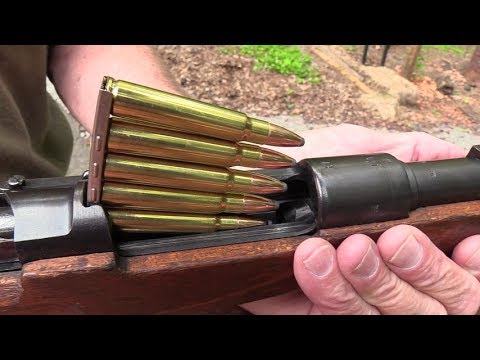
  8. 10:15.30-06 Ammo & Loading
  9. 11:50Terminal Ballistics Demo
  10. 13:35Historical Service Life
  11. 17:45Accuracy & Sight Adjustments
  12. 21:10Final Comparison & Conclusion

Frequently Asked Questions

What are the key safety considerations for the Springfield 1903 A3?

A crucial safety point involves serial numbers. Rifles with serial numbers over 1 million are generally considered safe. However, those below 800,000 require caution due to potential heat treatment issues that could compromise the receiver's integrity.

What makes the 1903 A3 sight system different from the original 1903?

The most significant difference is the A3's receiver-mounted peep sight. This design provides a longer sight radius and a superior sight picture compared to the older model's barrel-mounted leaf sights, enhancing accuracy.

Why was the Springfield 1903 A3 produced during WWII?

The 1903 A3 was manufactured by companies like Remington and Smith-Corona during World War II. Its production was intended to supplement the supply of the M1 Garand rifle, ensuring American forces had adequate firepower.

What are the main differences in parts between the 1903 and the 1903 A3?

To speed up wartime production, the 1903 A3 incorporated more stamped parts, such as the trigger guard and floor plate. The original 1903 typically used more milled parts, reflecting a different manufacturing era.

Related News

All News →

More Reviews Videos You Might Like

More from hickok45

View all →