US Model 1836 R. Johnson Percussion Pistol

Published on July 6, 2018
Duration: 24:31

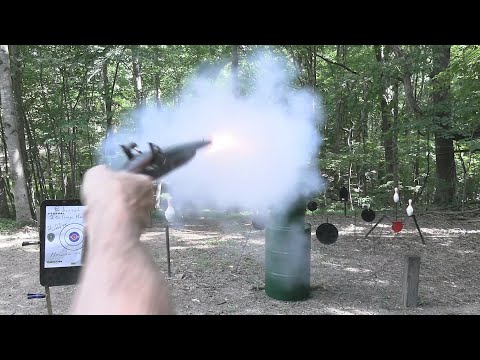
This guide details the loading and firing procedure for the US Model 1836 R. Johnson percussion pistol, a historical military firearm. It covers using black powder, patches, and a lead ball, emphasizing the unique swivel ramrod feature. The instruction comes from hickok45, a recognized expert in historical firearms testing, offering insights into its historical context and practical use.

Quick Summary

The US Model 1836 R. Johnson pistol, originally a flintlock, was converted to percussion for improved reliability. Its unique swivel ramrod prevents loss during cavalry use. Loading involves 40 grains of 2F black powder, a .530 lead ball, and a .010 patch, seated firmly with the ramrod.

Chapters

  1. 00:00Introduction and Initial Shooting
  2. 01:00History and Manufacturers
  3. 02:08Flintlock to Percussion Conversion
  4. 04:46The Swivel Ramrod Feature
  5. 06:28Loading Procedure
  6. 07:40Historical Tactical Context
  7. 11:36Range Performance and Accuracy

Frequently Asked Questions

What is the significance of the swivel ramrod on the US Model 1836 pistol?

The swivel ramrod is a key feature designed for cavalry soldiers, permanently attached to the barrel to prevent loss during reloading on horseback, ensuring the ramrod is always accessible when needed.

How was the US Model 1836 pistol originally configured before its percussion conversion?

Most US Model 1836 pistols were originally manufactured as flintlocks. They were later converted to the more reliable percussion (caplock) system, a common upgrade in the mid-19th century.

What are the recommended components for loading the US Model 1836 pistol?

For loading, use approximately 40 grains of 2F black powder, a .530 diameter lead ball, and a .010 inch patch. Ensure the ball and patch are firmly seated over the powder charge.

Who manufactured the US Model 1836 pistol?

The US Model 1836 pistol was primarily manufactured by Robert Johnson and Asa Waters. Approximately 40,000 units were produced between these two makers for the U.S. military.

More Reviews Videos You Might Like

More from hickok45

View all →