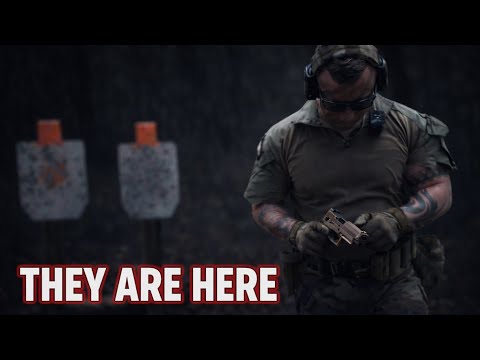
A Gun as Deterrence?: Into the Fray Episode 74

Published on August 10, 2015
Duration: 3:03

This episode of "Into the Fray" features USCCA's Jon O'Steen and Kevin Michalowski discussing the role of a firearm as a deterrent. They emphasize that carrying a firearm can alter interactions and project confidence, but highlight the critical importance of understanding legal ramifications, especially concerning active displays of a weapon. The discussion stresses that the primary goal is deterrence, with physical action only a last resort, and underscores the necessity of comprehensive training for effective decision-making and responsible firearm ownership.

Quick Summary

A firearm can serve as both an active and passive deterrent. Passive deterrence involves carrying a firearm discreetly, projecting confidence. Active deterrence, like displaying a weapon, carries significant legal risks and should only be used when an imminent threat exists. The goal is always to deter an aggressor before physical action is necessary.

Chapters

  1. 00:00Introduction: Gun as Deterrence
  2. 00:26Active vs. Passive Deterrence
  3. 01:21Legal Ramifications of Display
  4. 02:22Deterrence in Home Defense
  5. 03:31Training and Mindset Importance
  6. 04:32Responsibility of Carrying
  7. 05:32Deterrence vs. Physical Action
  8. 06:33Confidence and Awareness
  9. 07:34USCCA Resources & Training

Frequently Asked Questions

What is the difference between active and passive firearm deterrence?

Passive deterrence involves carrying a firearm discreetly, projecting confidence and potentially influencing an aggressor's decision without overt action. Active deterrence involves displaying the firearm, which carries significant legal risks and should only be considered when an imminent threat necessitates immediate defensive action.

What are the legal risks associated with displaying a firearm for deterrence?

Displaying a firearm without an imminent threat can be considered brandishing or assault, leading to severe legal consequences. It is crucial to know your state's laws and only present a firearm when legally justified by an immediate danger.

How can a firearm be used for deterrence in home defense?

In a home invasion, the mere sound of preparing a firearm, such as racking a shotgun or presenting a pistol, can be enough to deter an intruder from proceeding. This highlights the psychological impact of a firearm's presence.

What is the primary goal when carrying a firearm for self-defense?

The primary goal of carrying a firearm is deterrence. The aim is to prevent a confrontation or stop an aggressor before any physical action is required. Physical intervention is a last resort if deterrence fails.

Related News

All News →

More Self Defense Videos You Might Like

More from USCCA

View all →